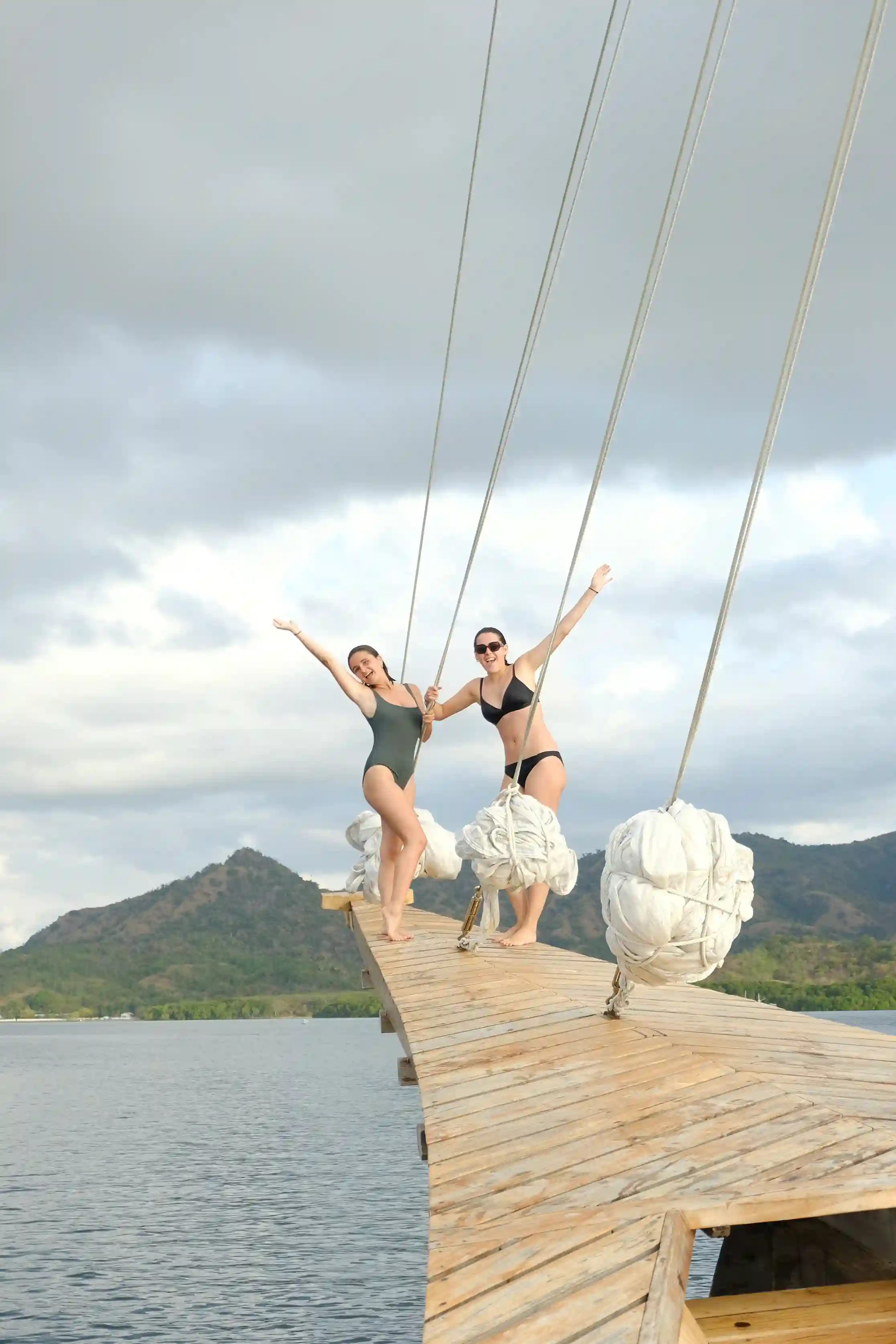

Best Photography Spots in Labuan Bajo and Komodo National Park
Labuan Bajo and Komodo National Park offer some of the most spectacular photography opportunities in Southeast Asia. From dramatic volcanic landscapes and pink sand beaches to underwater worlds teeming with manta rays and coral gardens, every corner of this destination delivers frame-worthy moments. This guide reveals the best spots, optimal timing, and practical tips for capturing stunning images.
Padar Island — The Iconic Three-Beach Panorama
Padar Island’s summit is arguably the most photographed spot in all of Indonesia’s East Nusa Tenggara. The 30-minute hike rewards you with a 360-degree panorama of three crescent beaches — white, pink, and black sand — curving between dramatic volcanic ridges. The landscape looks almost extraterrestrial, with rugged brown hills meeting impossible shades of turquoise water.
Best time to shoot: Sunrise (arrive before 6:00 AM) for golden light and minimal crowds. Late afternoon (4:00-5:30 PM) works too but expect more people. Dry season (June-September) offers the clearest skies.
Gear tip: Wide-angle lens (16-35mm) is essential. A drone captures the full scale of the three-beach formation brilliantly. Bring a tripod for sunrise long exposures.
Pink Beach — The Blush-Colored Shoreline
Pink Beach (Pantai Merah) delivers one of nature’s most unusual color palettes. The sand’s pink hue, created by crushed red coral mixed with white sand, photographs beautifully against the turquoise water and green hillsides. Underwater, the coral gardens just meters from shore offer exceptional macro photography subjects.
Best time to shoot: Midday when the sun is high brings out the pink color most vividly. Morning light (7:00-9:00 AM) offers softer tones. Split-level shots (half underwater, half above) work exceptionally well here.
Manta Point — Underwater Giants
Manta Point is the premier spot for photographing giant oceanic manta rays, their wingspans reaching up to 7 meters as they glide through nutrient-rich waters. The cleaning stations here attract mantas year-round, with peak encounters from March to September.
Best time to shoot: Morning (8:00-11:00 AM) when mantas are most active at cleaning stations. Visibility is typically best between June and September, reaching 15-25 meters.
Gear tip: GoPro with dome port for split shots, or a mirrorless camera in underwater housing with a wide-angle lens. No flash — ambient light produces the most natural manta images.
Labuan Bajo Harbor at Sunset
The harbor at sunset is quintessential Labuan Bajo — silhouettes of traditional phinisi boats against a blazing orange sky, with scattered islands creating a layered horizon. Puncak Waringin (Waringin Hill) and Sylvia Hill both offer elevated viewpoints overlooking the harbor and surrounding islands.
Best time to shoot: 30 minutes before sunset through 15 minutes after for the golden hour and blue hour transition. Bring a telephoto (70-200mm) for compressing the boat silhouettes against the sunset.
Komodo Island — Dragon Portraits
Photographing Komodo dragons in their natural habitat is a once-in-a-lifetime opportunity. The kitchen area near the ranger station often provides the closest encounters, though wild encounters along the trekking routes feel more authentic and dramatic against the savanna backdrop.
Best time to shoot: Early morning (8:00-10:00 AM) when dragons are most active. Midday heat makes them lethargic but creates dramatic heat-shimmer effects. Stay at safe distance — rangers enforce strict rules.
Gear tip: Telephoto lens (100-400mm) is essential. A 70-200mm f/2.8 works for closer encounters. Shoot low for dramatic perspective but never approach dragons below minimum safe distance of 5 meters.
Taka Makassar — The Vanishing Sandbar
This sand island that appears and disappears with the tides is surreal to photograph — a tongue of white sand surrounded by endless turquoise ocean with nothing else in sight. Aerial drone shots capture the full drama of this temporary landform.
Best time to shoot: Low tide exposes the largest sand area. Check tide tables in advance. Mid-morning light with clear skies maximizes the contrast between sand and water.
Cunca Wulang Waterfall
This multi-tiered canyon waterfall on the Flores mainland requires a scenic trek through narrow gorges and natural swimming pools. The emerald water, limestone walls, and jungle canopy create a mystical atmosphere that photographs beautifully with long exposures.
Best time to shoot: Midday when direct sunlight penetrates the canyon, creating light beams through the forest canopy. Wet season (November-March) brings stronger water flow for more dramatic waterfall shots.
Gili Lawa Darat — Sunrise Hilltop
Gili Lawa Darat offers another spectacular hilltop viewpoint, overlooking a labyrinth of islands, channels, and coral reefs. The grass-covered hills glow golden at sunrise, and the elevated position provides exceptional panoramic shots of the Komodo seascape.
Best time to shoot: Sunrise is the signature shot. Overnight liveaboard guests have the advantage of being moored nearby for pre-dawn access. The hike takes 20-30 minutes.
Photography Tips for Labuan Bajo
Protect your gear from salt spray on boat trips using dry bags and lens cloths. Humidity can cause lens fogging when moving between air-conditioned boats and tropical air — let gear acclimatize for a few minutes. Drone regulations require registration with the Indonesian Civil Aviation Authority for commercial use; recreational flying is generally permitted but respect national park no-fly zones around sensitive wildlife areas.
For the ultimate photography experience, book a private charter that allows flexible timing — being first at Padar Island at sunrise or lingering at Manta Point for the perfect shot is only possible with a private itinerary.
Frequently Asked Questions
What are the best photography spots in Labuan Bajo?
The top photography spots include Padar Island summit for the iconic three-beach panorama, Pink Beach for its unique blush-colored sand, Manta Point for underwater manta ray photography, Labuan Bajo harbor at sunset, and Komodo Island for dragon portraits in their natural habitat.
What camera gear should I bring to Labuan Bajo?
Essential gear includes a wide-angle lens for landscapes, telephoto lens for Komodo dragons and wildlife, underwater housing or GoPro for marine photography, drone for aerial shots, and waterproof bags for protection on boats. Bring extra batteries as charging options on boats may be limited.
When is the best time for photography in Komodo?
The dry season from June to September offers the best conditions with clear skies, calm seas, and excellent underwater visibility reaching 25-30 meters. Sunrise at Padar Island and sunset at Labuan Bajo harbor are the prime golden-hour moments daily.
Can I fly a drone in Komodo National Park?
Recreational drone flying is generally permitted in most areas of Komodo National Park, but some zones near sensitive wildlife areas may have restrictions. Check with your boat captain and park rangers for current regulations. Commercial drone use requires Indonesian aviation authority registration.
Is Labuan Bajo good for underwater photography?
Labuan Bajo and Komodo National Park are world-class for underwater photography. Highlights include manta rays at Manta Point, vibrant coral reefs at Pink Beach and Batu Bolong, diverse marine life at over 50 dive sites, and exceptional visibility during the dry season.