Menu

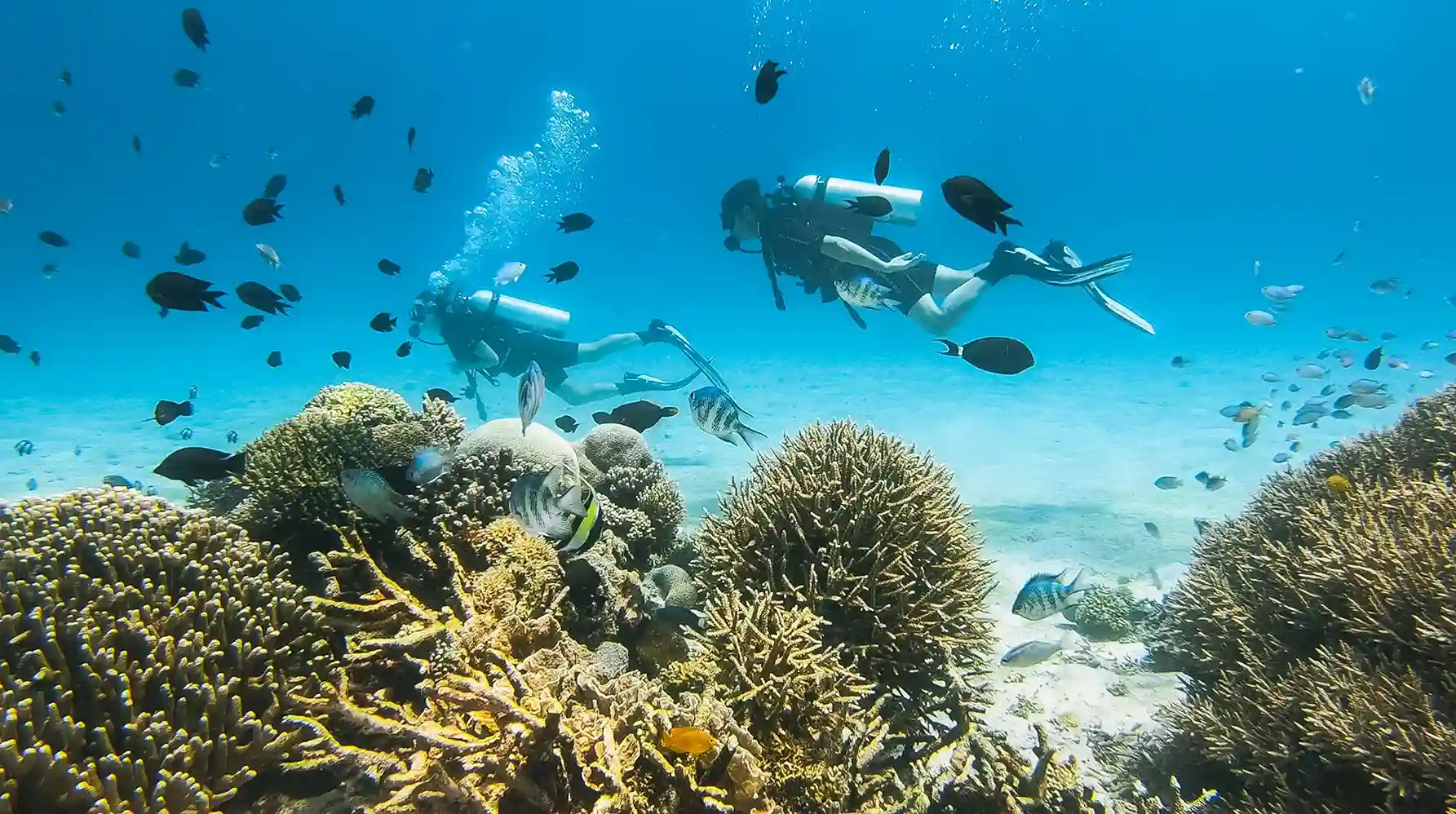
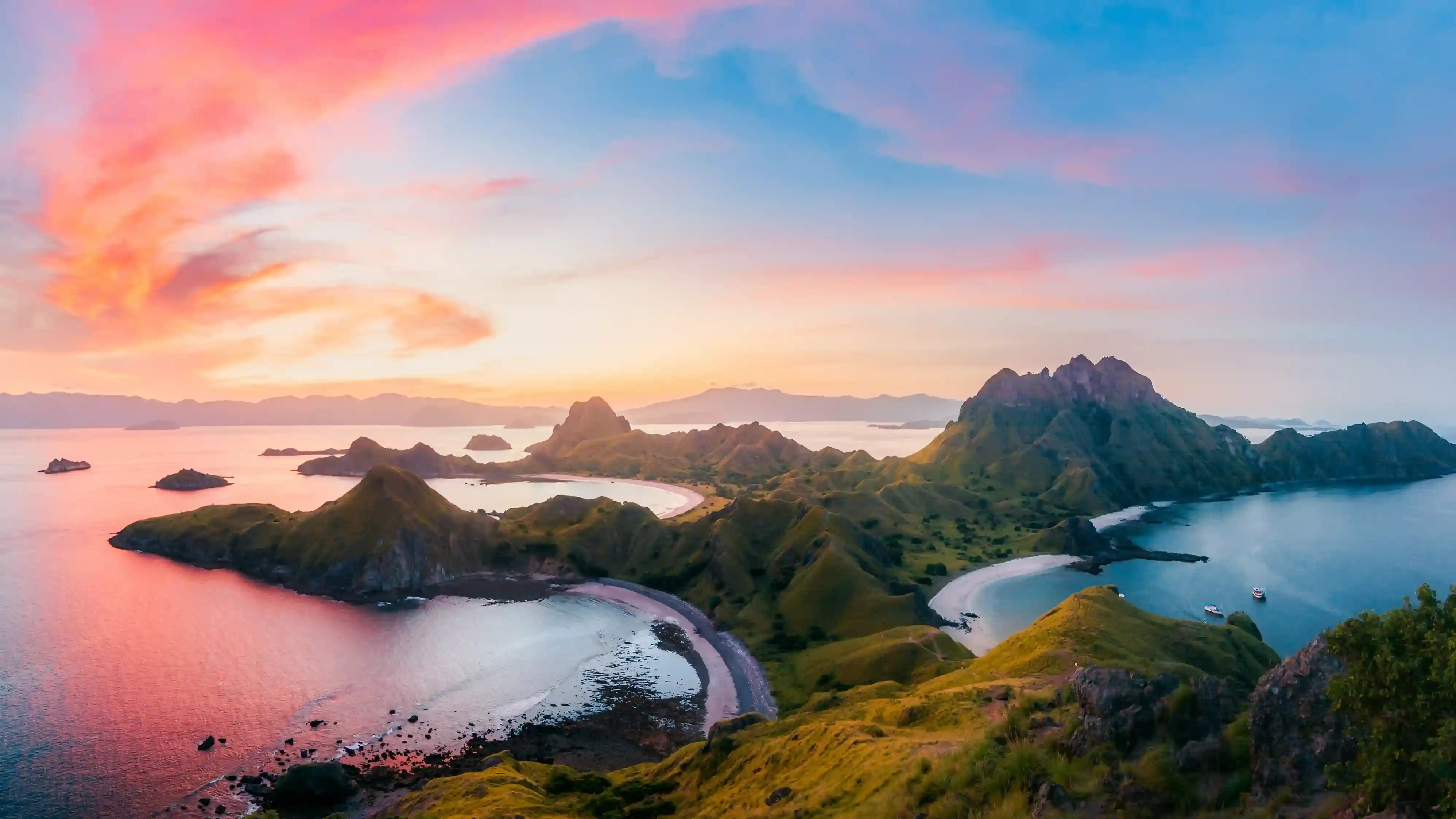
A submerged volcanic pinnacle ranked among the world's top 10 dive sites — coral walls of sharks, turtles, schooling fish and macro treasures within meters of each other.
Batu Bolong is a submerged volcanic pinnacle rising from the depths of the Flores Sea, consistently ranked among the world's top 10 dive sites by dive publications and professionals worldwide. This small rock — barely visible above the waterline — conceals an underwater wonderland that descends through multiple depth layers, each supporting distinct ecosystems of staggering diversity and density. A single dive at Batu Bolong can yield more marine species than an entire week of diving in many destinations.
The pinnacle's strategic position between islands creates strong tidal currents that deliver nutrient-rich water from the deep ocean, supporting an explosion of life — from microscopic pygmy seahorses to massive Napoleon wrasse, schools of thousands of anthias and fusiliers creating living walls of color, white-tip reef sharks patrolling the depths, and occasional manta rays passing through during the right tide conditions.
Batu Bolong is an intermediate-to-advanced dive site due to variable currents that range from gentle to strong depending on tidal phase. The best diving occurs during incoming tides when visibility peaks at 20–30 meters and current brings pelagic visitors close to the reef. Experienced dive guides time entries precisely.
Advanced Open Water certification with 30+ logged dives is recommended. Arriving at the wrong tide stage transforms this site from spectacular to uncomfortable — experienced Komodo guides are essential.
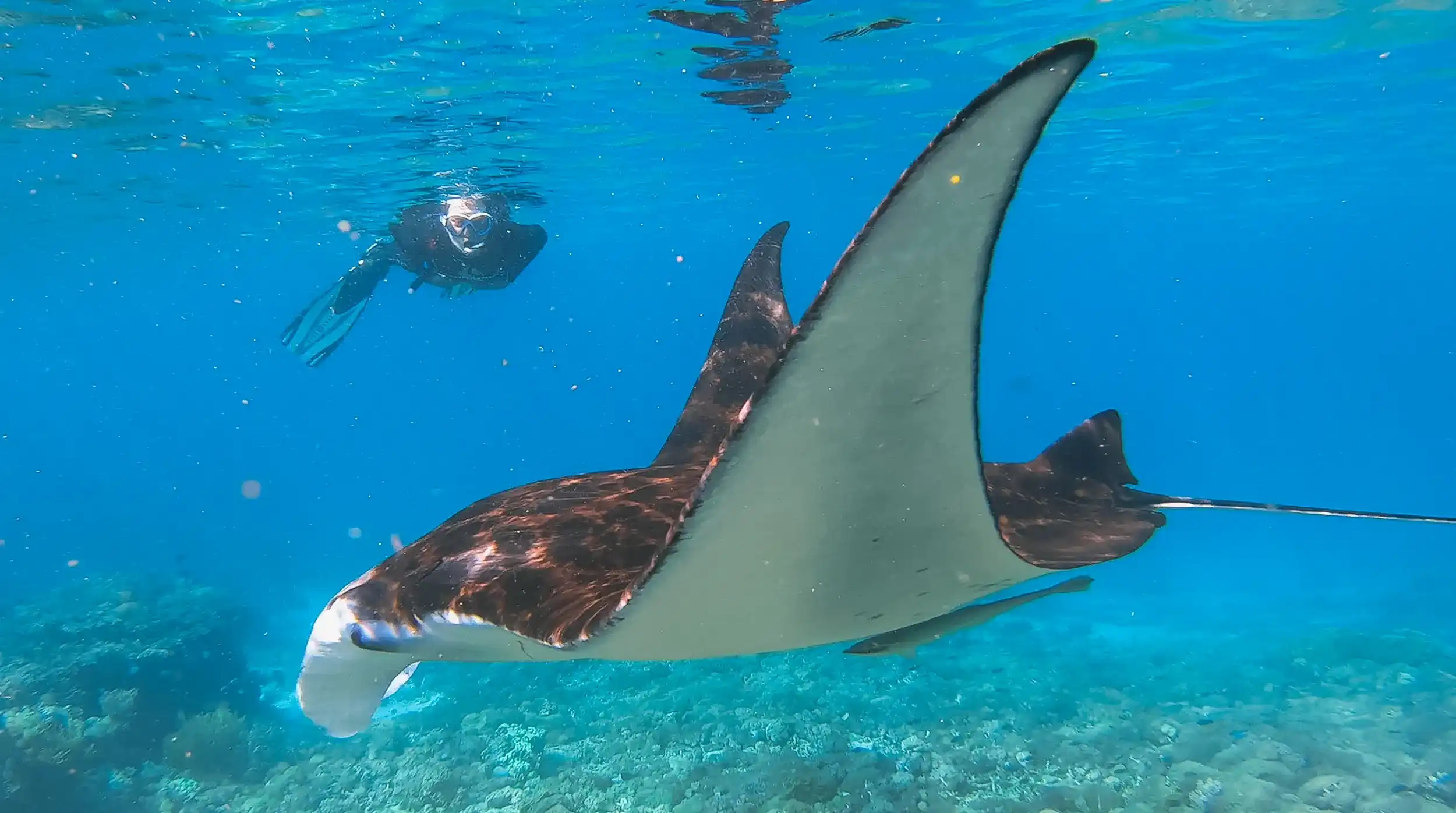
Hard and soft coral covers every surface of the pinnacle in vivid colors — table corals, staghorn corals, barrel sponges, sea fans, and delicate gorgonians. The resident fish population is the kind underwater photographers cross oceans for.
Batu Bolong is located in the central strait of Komodo National Park, approximately 2–3 hours by boat from Labuan Bajo. It is accessible on dive-focused day trips and included in all multi-day dive liveaboard itineraries.
Our multi-day cruises can visit Batu Bolong multiple times across different tide conditions for optimal experiences — the single best way to dive this site.
Why it's elite, the best paths, safety protocols, and seasonal patterns.
Batu Bolong, located approximately 25 kilometers northeast of Labuan Bajo, features a dramatic 40+ meter pinnacle formation with exceptional coral health exceeding 75% coverage across multiple depth zones. The site experiences strong currents (0.5–1.5 knots average) that deliver nutrient-rich water supporting dense concentrations of reef fish, sharks, and seasonal manta rays. Visibility typically ranges 15–25 meters during dry season (May–September), enabling excellent wide-angle photography and species observation. The pinnacle structure creates varied microhabitats from shallow coral gardens (5–10 meters) to deeper drop-offs (35–45 meters), accommodating divers across certification levels. Luxury dive packages including professional guide services cost USD 130–200 per dive with equipment rental typically USD 20–35 daily.
The main pinnacle's north face features pristine hard coral formations with populations of butterflyfish, parrotfish, and damselfish creating vibrant ecosystem snapshots. The southern approach includes soft coral gardens hosting nudibranchs, seahorses, and cryptic species visible to trained observers during 20–30 minute macro photography sessions. Eastern wall dives reveal deeper formations (30–40 meters) where pelagic species including jacks, trevally, and occasionally reef sharks cruise current channels. Liveaboard itineraries typically feature 2–3 dives at Batu Bolong during 4–7 day voyages, enabling comprehensive exploration across multiple depth levels and time-of-day conditions (morning currents differ from afternoon flow patterns).
Certified dive masters fluent in current prediction, fish behavior, and emergency protocols cost USD 15–25 premium per dive but provide invaluable expertise regarding optimal descent points and maximum bottom time before decompression requirements. Safety briefings (typically 15–20 minutes) cover expected maximum depth, current direction, abort procedures, and surface support protocols. First aid oxygen systems and decompression tables are standard equipment on professional dive boats; vessels carry USD 5,000–15,000 emergency medical equipment inventories. Dive computer rental (USD 8–12 daily) ensures depth and time tracking; quality professionals recommend personal device investment (USD 300–1,500) for serious divers conducting 30+ dives annually.
Peak visibility occurs May–September with 70–90% clear dive days (exceeding 20 meter visibility). October–April features variable conditions with 50–70% clear days, though December–February monsoon months present 30–40% clear day probability. Manta ray season (November–April peak) significantly influences dive enjoyment for manta enthusiasts; documented sighting frequency reaches 70–85% during November–February months. Pelagic species diversity peaks May–September when oceanic currents are strongest. Pricing adjusts seasonally with high season (July–August) commanding 30–40% premium pricing compared to shoulder season (May–June, September–October) rates. Advance booking (60–90 days) provides optimal operator selection and cost efficiency across seasonal variations.
Quick practical answers about diving Batu Bolong.
Batu Bolong is an intermediate to advanced dive site. Strong currents require good buoyancy control and current diving experience. Advanced Open Water certification or equivalent with 30+ logged dives is recommended. An experienced Komodo dive guide is essential for timing entry correctly.
Expect incredible diversity: Napoleon wrasse, white-tip reef sharks, giant trevally, green turtles, schooling fusiliers and anthias, moray eels, octopus, and macro life including pygmy seahorses, frogfish, and nudibranchs. Over 1,000 species of fish have been recorded at this single site.
Year-round diving is possible with April–November offering the best visibility (20–30m). The best conditions occur during incoming tides — your dive guide will time the dive precisely. Early morning dives often have calmer currents and better visibility.
Pair Batu Bolong with the rest of Komodo's elite dive triangle.
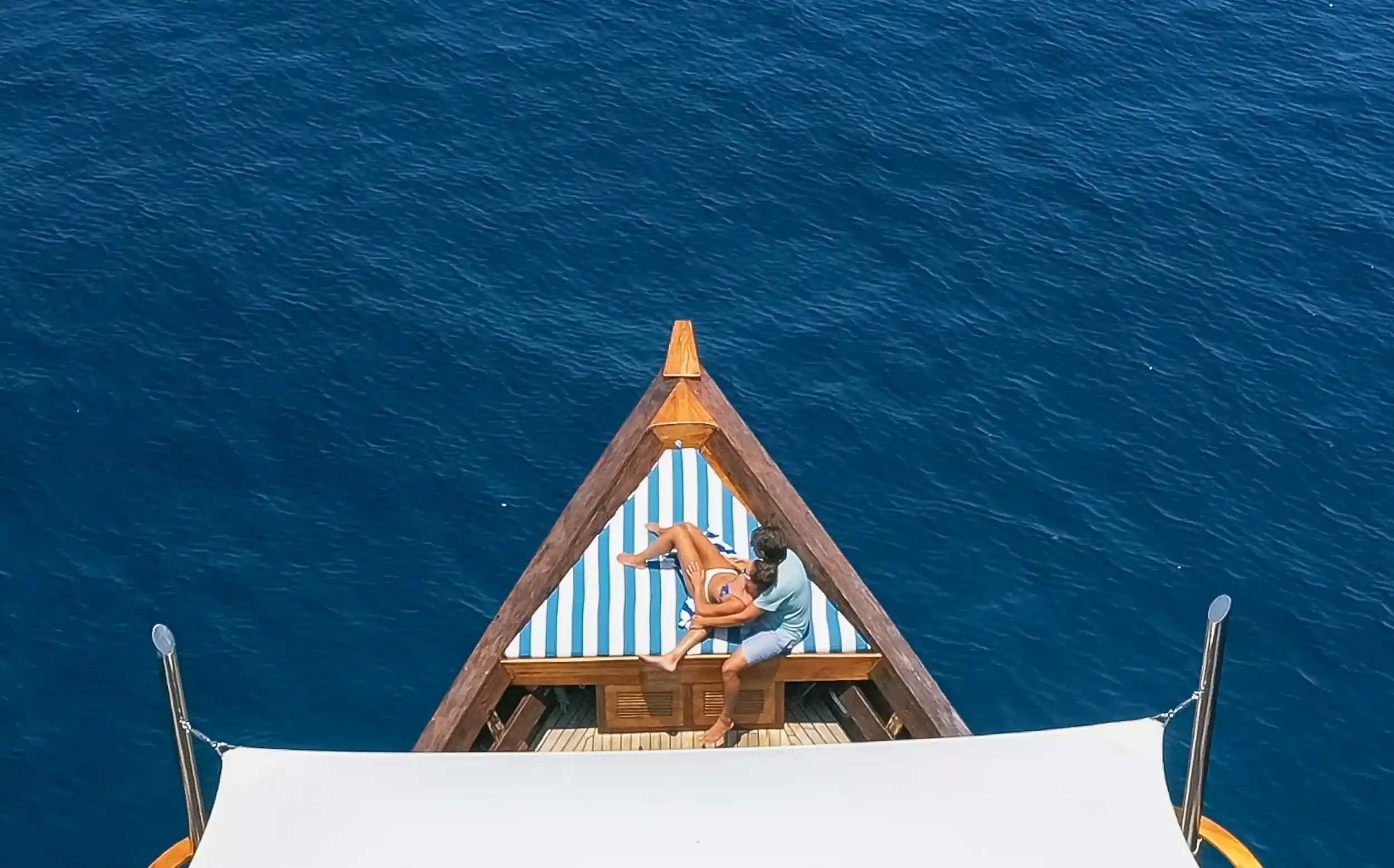
Multi-day liveaboards return to this pinnacle across multiple tides — the only way to experience all of its faces. Tell us your dates and we'll match you to a luxury dive cruise.
Last updated: May 2026