Menu

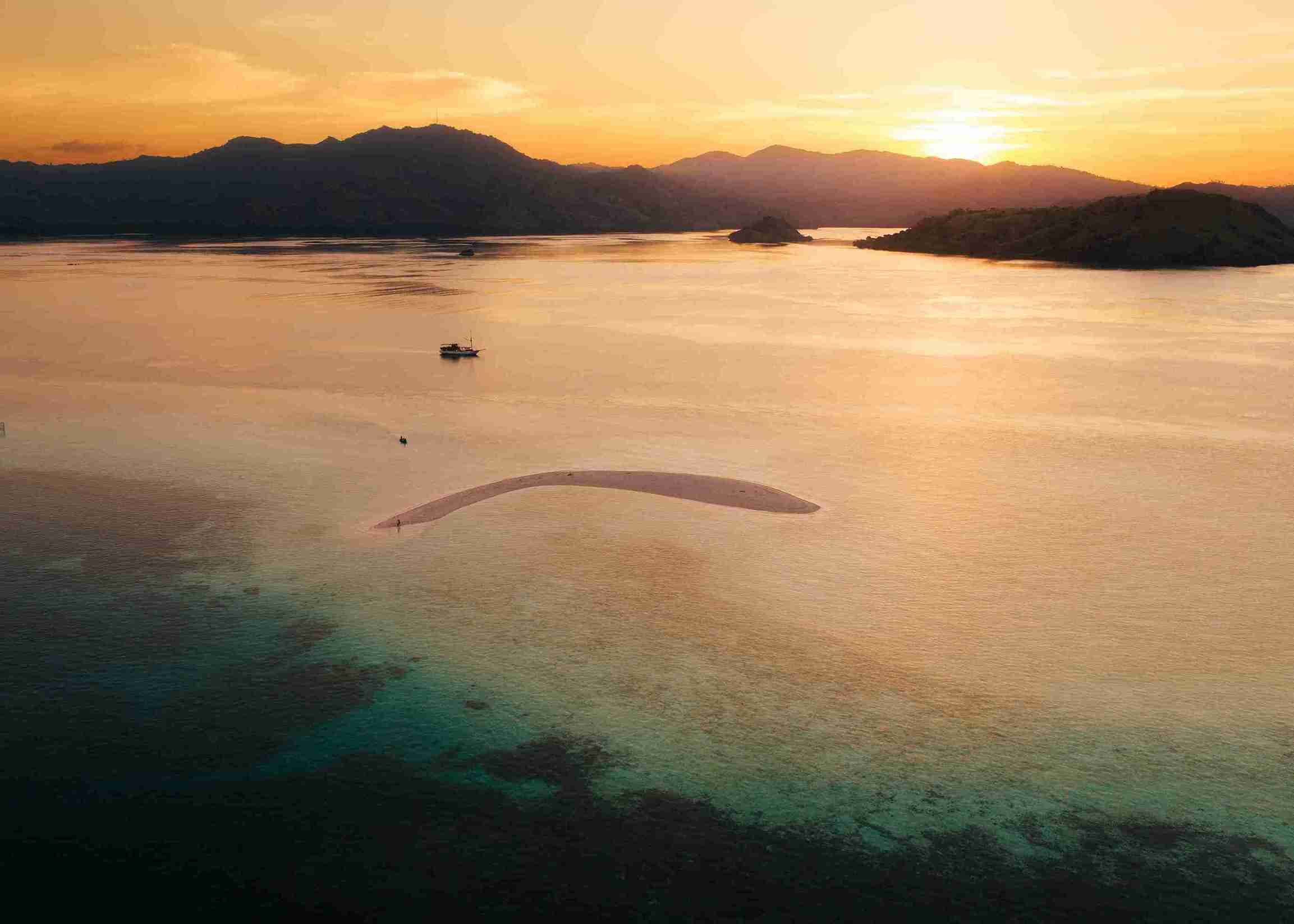
A pristine sand bank that emerges from the turquoise sea at low tide — stand on a temporary island with no land in sight, one of Komodo’s most ethereal photo moments.
Taka Makassar is one of Komodo National Park’s most ethereal phenomena — a pristine sand bank that emerges from the turquoise sea during low tide, creating a temporary island of pure white sand surrounded by crystal-clear water in every direction. This natural sandbar appears and disappears with the tides, offering a surreal experience of standing on what feels like an island floating in the middle of the ocean with no land visible on the horizon.
Located east of Komodo Island, Taka Makassar has become one of the most photographed locations in the park. During peak emergence at low spring tides, the sandbar extends approximately 100 meters in length, wide enough for beach picnics, photography sessions, and sunbathing surrounded by the open Flores Sea.
Taka Makassar’s visibility depends entirely on tidal conditions. The sand island emerges most dramatically during low spring tides — typically around full moon and new moon phases. Your captain and guide should check tide charts to time the visit when the sandbar is maximally exposed.
Mid-tide visits offer their own unique reward — wading on submerged sand with water at ankle to knee depth, creating stunning reflective photographs unlike anywhere else in Komodo.
Photography on the sandbar above water and gentle snorkeling on the reef beneath it.
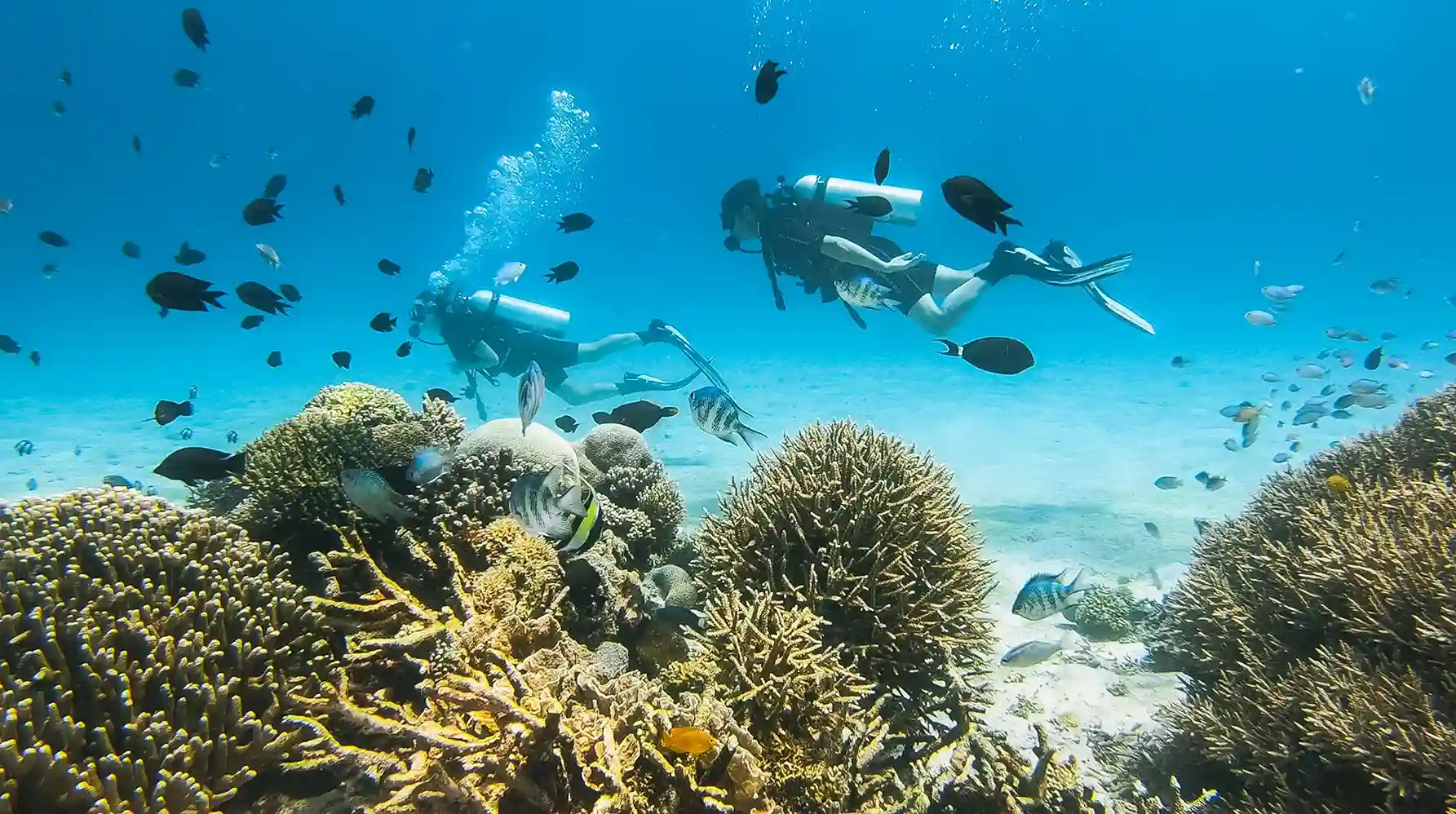
Shallow waters surrounding the sandbar support scattered coral formations and seagrass beds that attract juvenile reef fish, small sharks, and occasionally manta rays passing through deeper adjacent channels. Snorkeling is best on the eastern edge where coral coverage increases.
The contrast of white sand, turquoise shallow water, and deep blue ocean creates images that epitomize tropical paradise. At peak low tide, the 100-meter sand strip becomes a natural studio — wide-angle and drone shots produce the park’s most iconic frames.
Taka Makassar is included in select Komodo itineraries — not all tours visit due to tide timing. Multi-day luxury cruises have the flexibility to drop in when tidal conditions are favorable.
For premium experiences, private yacht anchoring offshore provides morning sandbar & snorkel access before standard boat arrivals — ensuring exclusive island time.
What sets it apart, transport, snorkel sites, marine life, meals, and ideal duration.
Taka Makassar stands out as Labuan Bajo's most pristine and undeveloped island destination, maintaining authentic natural beauty without commercial infrastructure. The island features dramatic rock formations creating scenic backdrops for photography and geological interest. Unlike busier tourist islands, Taka Makassar receives limited daily visitors, preserving wilderness character and marine ecosystem integrity. The island's positioning within Komodo National Park ensures protection and sustainable management. Crystalline turquoise waters and white sand beaches rival Caribbean destinations while maintaining Southeast Asian cultural authenticity. Archaeological interest includes historical shipwrecks and rock formations used by local fishermen for centuries.
Taka Makassar is located approximately 25–30 kilometers from Labuan Bajo, requiring 60–80 minutes by standard boat or 40–50 minutes via speedboat. Speedboat transfers cost USD 70–100 per person round-trip, while traditional boats cost USD 30–40. Private boat charters for groups of 8–15 people range from USD 400–700 for full-day excursions. Most day-trip operators depart early morning (6–7 AM) to maximize island time, typically returning late afternoon (4–5 PM). Multi-island tours combining Taka Makassar with nearby Rinca, Kanawa, or Kelor can be coordinated with specialized timing. For premium experiences, private yacht anchoring offshore provides morning snorkeling before standard boat arrivals, ensuring exclusive island access.
The island's surrounding reef system features exceptional snorkeling within 50–150 meters of shore, with visibility frequently exceeding 20 meters. The eastern reef edge drops sharply to 15–20 meters, hosting dense fish populations and occasional reef sharks (harmless to snorkelers). The western approach features gradual slope perfect for beginner snorkelers. Northern sites offer macro photography opportunities with nudibranchs, seahorses, and crustaceans. Seasonal manta ray encounters (April–November) occur at specific reef sections where mantas feed on plankton blooms. Night snorkeling reveals octopuses, nocturnal fish species, and bioluminescent plankton during optimal conditions. Most operators coordinate snorkeling rotations to different sites throughout full-day visits to maximize biodiversity exposure.
Marine life includes parrotfish, jacks, groupers, snappers, angelfish, and pufferfish in abundance. Sea turtle encounters occur regularly, with multiple sightings typical per snorkeling session. Reef sharks (blacktips and whitetips) are occasionally spotted but pose no threat to snorkelers. Manta rays frequent the area during seasonal plankton blooms (April–November). Nocturnal species including octopuses and lobsters emerge during evening dives. Terrestrial wildlife is limited due to small land area; occasional seabirds and monitors may be observed. Reef flora includes colorful soft corals, hard coral formations, and seagrass beds supporting fish nurseries. Photography enthusiasts find exceptional macro and wide-angle subject matter.
Most day trips include lunch prepared by boat crew, featuring freshly grilled fish, rice, tropical fruits, and vegetables (meal value Rp 150,000–250,000). Drinking water, coffee, tea, and soft drinks are complimentary throughout the day. Visitors can request dietary preferences when booking, allowing crew preparation of specific meals. Additional snacks and beverages can be purchased at modest markups (Rp 20,000–50,000 per item). Private yacht experiences can arrange gourmet picnic lunches prepared by on-board chefs with wine pairings (USD 80–120 per person). Evening return boat journeys often include light refreshments and sunset beverages. We recommend bringing supplementary hydration and snacks for full-day activities, particularly during hot season when water consumption increases significantly.
Full-day day trips (8–10 hours including travel) allow 5–6 hours island time, providing sufficient duration for multiple snorkeling sessions, beach exploration, lunch, and photography. Rushed half-day visits (5–6 hours total) allow only 2–3 hours island time, limiting activity options. Multi-island combinations incorporating Taka Makassar as one of 2–3 destinations provide 3–4 hours island time per location, balancing variety with adequate exploration time. Overnight stays are not available on-island; most visitors return to Labuan Bajo accommodations for evening. Multi-day yacht charters can schedule dedicated Taka Makassar days with flexible timing and private anchorage, providing optimal experience. We recommend full-day visits as standard approach for comprehensive island experience.
Quick practical answers about Taka Makassar.
Taka Makassar is a temporary sand island that emerges from the sea during low tide in Komodo National Park. The pristine white sand bank appears surrounded by turquoise water, creating a surreal floating island experience. It disappears completely at high tide.
Taka Makassar is visible during low tide, with the best emergence during spring tides around full moon and new moon phases. Your guide should check tide charts in advance. The sand bank is completely submerged at high tide.
For photography and a unique experience, absolutely. Standing on a temporary sand island surrounded by open ocean is unforgettable. However, the visit is tide-dependent and the location is remote — it works best as part of a multi-day cruise rather than a dedicated day trip.
The cruise & charter options that make this tide-dependent stop possible.
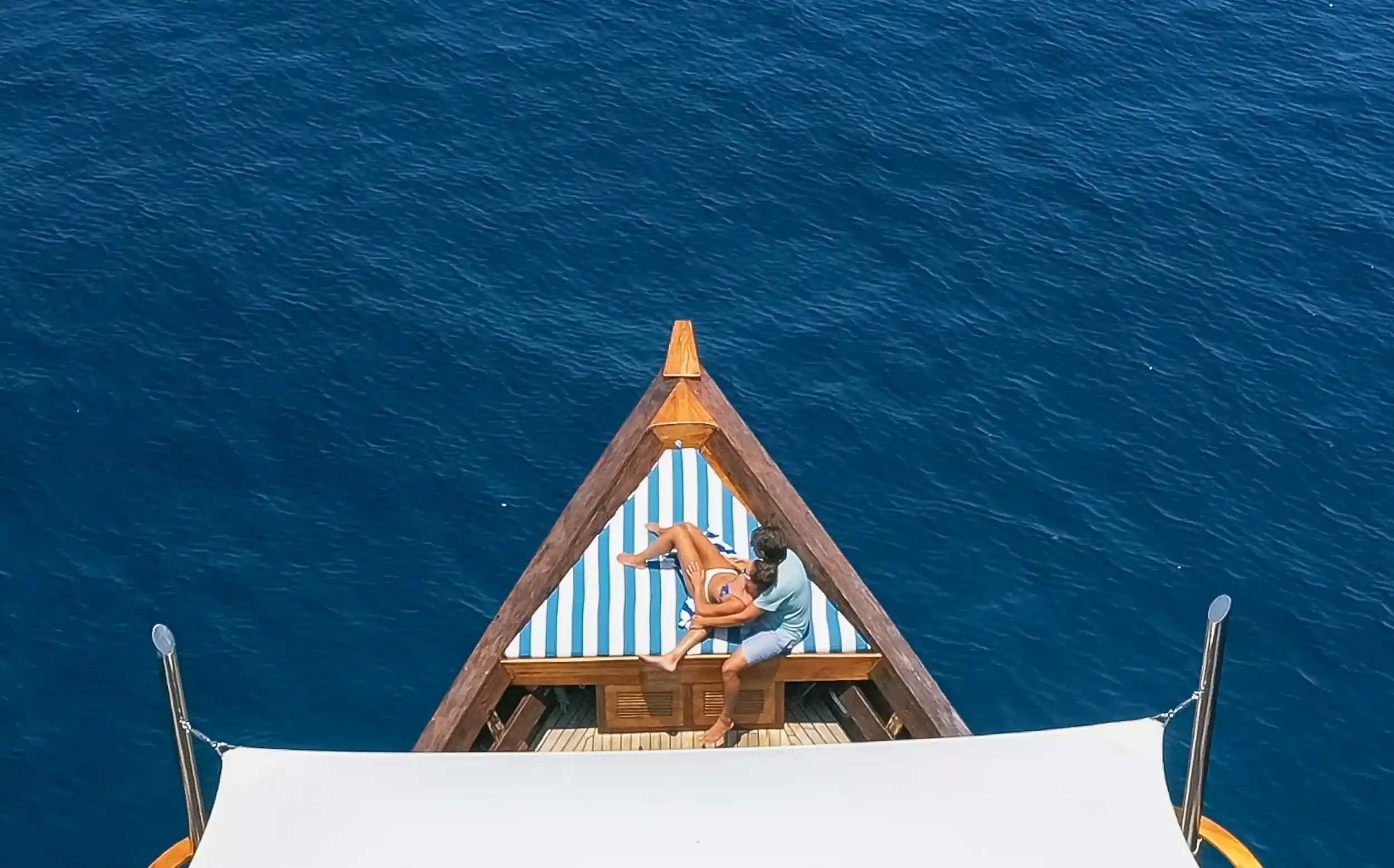
Send us your dates — we’ll cross-check the tide calendar and build a multi-day route that lands you on Taka Makassar at peak low tide.
Last updated: May 2026