
Labuan Bajo Sustainable Luxury Tourism Regulations 2027 center on a hard daily visitor cap of 2,500 people across Komodo National Park, stricter yacht sound limits of 55–60 dB near key reefs, and carbon‑linked fuel rules. By 2027, luxury operators must prove conservation fees, low‑impact itineraries, and traceable community benefits to retain prime access windows.
What are the key Labuan Bajo Sustainable Luxury Tourism Regulations 2027 changing high-end trips?
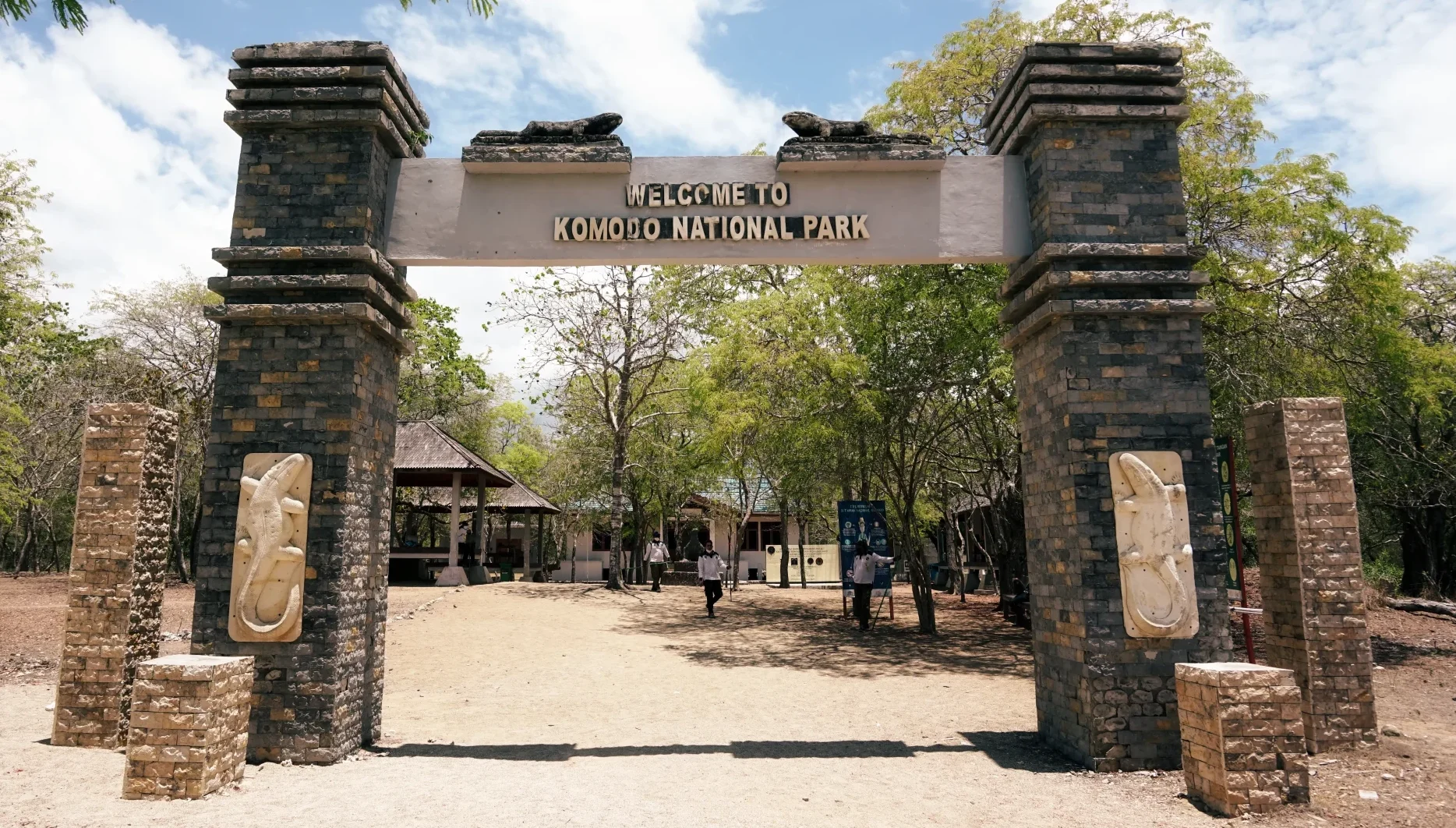
By 2027, Labuan Bajo sustainable luxury tourism regulations 2027 are expected to formalise three pillars: capped access, quieter seas, and cleaner fuel. The Ministry of Environment and Forestry and Komodo National Park authorities have gradually reduced maximum daily entries since 2023, and policy drafts discussed through 2026 reference a 2,500 total daily visitor ceiling across main zones by 2027.
For high-end guests, this translates into tighter pre-booking windows and more emphasis on verified sustainability. Operators are required to document park fees, carbon calculations, and local staff ratios in trip dossiers shared before arrival. Conservation levies, first introduced several years ago, are anticipated to be tiered further by season by 2027, with higher charges during peak school holidays and domestic “golden week” periods such as late December–early January.
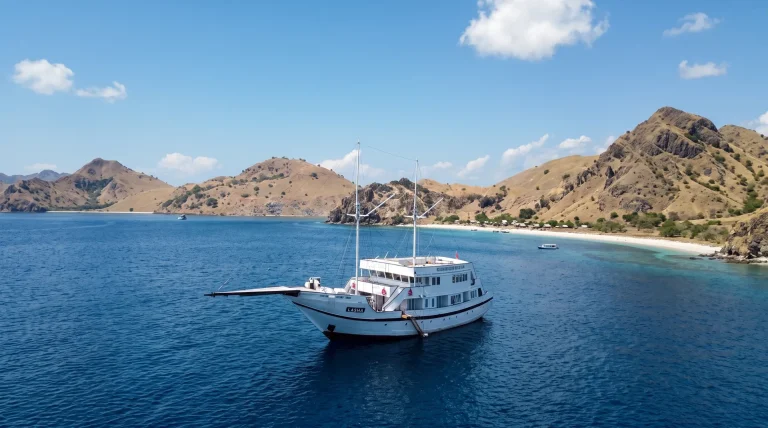
Luxury yachts and resorts must align with labuan bajo luxury sustainable tourism practices, including reef-safe cleaning products, formal waste-return logs to Labuan Bajo port, and evidence of crew training on protected species. Well-prepared itineraries combine low-impact dawn or dusk visits, longer overnight moorings to cut fuel burn, and curated cultural stops that direct measurable spending into Flores communities.
How will the new daily visitor caps affect yacht charters and villa stays?
The headline change is the labuan bajo luxury daily visitor quota news. Discussion papers and zoning maps presented in regional forums through mid-2026 point toward a 2,500-person park-wide cap, with sub-quotas for Komodo, Padar, and Pink Beach. In practice, premium yachts and villa-linked day trips are likely to receive priority slots if they can demonstrate strong compliance records.
Expect more “use-it-or-lose-it” access rules: if a boat misses its allotted landing window, the slot can be reassigned. This pushes luxury charter guests to commit early and keep itineraries efficient. Data drawn from operators’ manifests between 2019–2025 already show that smaller, higher-yield groups use fewer landings but spend more per person, a pattern shaping the labuan bajo luxury tourism statistics overview used in planning.
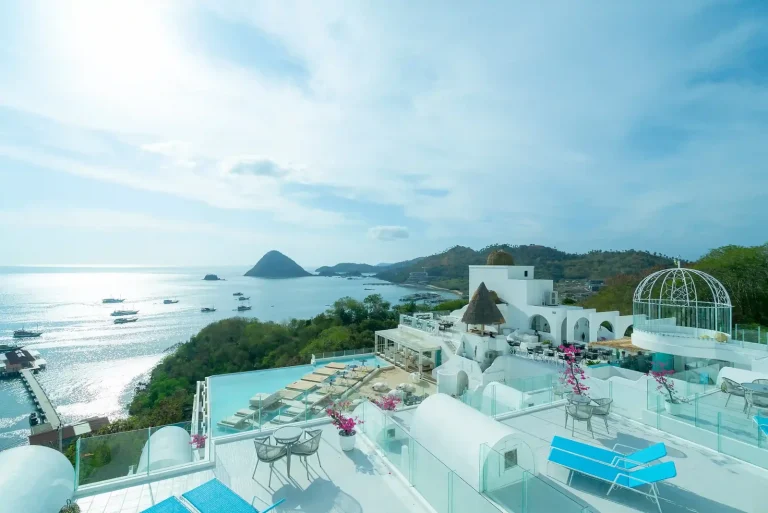
Properties with strong environmental audits and high labuan bajo luxury construction quality control standards—such as efficient energy systems and wastewater treatment—are more likely to secure longer-term access agreements. Guests can expect fewer crowds on key viewpoints, but also stricter timing: sunrise hikes might be allocated 60–90-minute windows, with ranger escorts and mandatory pre‑registration through licensed operators.
What new rules apply on noise, fuel, and “sea toys” for luxury yachts?
Marine protection drafts for Nusa Tenggara Timur signal firmer labuan bajo luxury sound regulations at sea by 2027. Around manta and turtle sites, engine and generator noise will be targeted at or below 55–60 decibels at the waterline, measured during random checks. Night-time music curfews near sensitive bays are already being piloted and are likely to be codified with set hours.
Noise rules directly shape labuan bajo luxury sea toys and equipment choices. Loud jet skis and high-horsepower towables are being restricted in core conservation zones, driving a shift toward electric tenders, kayaks, stand-up paddleboards, and low-noise dive compressors. Guests still enjoy active days, but with quieter hardware and clear “no-go” radiuses around spawning reefs.
On fuels, authorities are expected to incentivise lower-emission blends and efficient routing. Operators are responding with labuan bajo luxury fuel surcharge strategies that transparently separate base charter rates from variable fuel and carbon-offset components as of August 2026. Well-run yachts publish expected fuel bands per night, explain how speed choices affect consumption, and offer guests the option to fund mangrove or seagrass restoration projects through trusted local partners.
How are pricing, VIP access, and payment habits evolving under the 2027 rules?
With tighter caps, dynamic pricing is becoming normal. Higher conservation costs and cleaner-technology investments are built into rates, while variable fuel and access levies are broken out. As of August 2026, many premium cruises quote park fees in rupiah but settle primary invoices in USD or EUR, aligned with Bank Indonesia’s JISDOR reference—for example Rp 17,999 per USD on 6 July 2026.
Top clients increasingly prefer digital wallets and multi-currency cards, so operators now standardise labuan bajo luxury wise and revolut payments for deposits and incidentals. This reduces friction for guests managing several currencies while still complying with Indonesian banking rules.
Scarce sunrise landings and quiet anchorages are governed by labuan bajo luxury vip tier access rules. Repeat guests and full-vessel charters often receive first priority on limited slots, but regulations require transparent allocation policies and prohibit informal trading of permits. During peak domestic holiday “golden week” windows—for example, the final week of December—labuan bajo luxury golden week strategies include staggered check-in days, minimum-length stays, and slightly higher conservation surcharges that are earmarked for reef monitoring and waste management.
How will onboard experience, amenities, and service adapt to sustainable luxury standards?
As regulations nudge operators toward lower-impact hardware, the competitive edge moves into experience design. Expect more attention to quiet comfort: refined labuan bajo luxury wine and cigar lounges positioned away from cabins and open decks, with filtered air systems and clear guidelines to respect park smoke restrictions.
Shorter tendering windows mean sharper service choreography. Elevated labuan bajo luxury luggage handling services coordinate from Bali or Jakarta all the way to the yacht or villa, reducing last‑minute airport delays that could jeopardise allocated park slots. Amenity concepts are also shifting: labuan bajo luxury amenity kit ideas increasingly use refillable containers, reef-safe toiletries, and ethically sourced textiles, while still offering custom-branded accessories and sleep-enhancement items.
Crew briefings now cover not only safety and hospitality but also labuan bajo luxury crew tipping guidelines that respect local norms and avoid cash-heavy handovers in sensitive ports. Many luxury charters provide recommended tip ranges per day and a pooled distribution system, disclosed in advance and settled by card or transfer for transparency. Celebration planning also adapts: labuan bajo luxury anniversary celebration ideas emphasise low-impact elements such as stargazing decks, private acoustic performances, and ranger-led vow renewals on approved beaches instead of fireworks or drones.
How should asset owners and investors adjust their strategy for 2027 and beyond?
For yacht owners and resort investors, the 2027 rule set redefines value. Access rights, efficiency, and compliance records may matter as much as design or size. New builds and refits prioritise labuan bajo luxury construction quality control, focusing on hull efficiency, battery or hybrid systems, greywater treatment, and sound insulation to meet future inspection thresholds.
Marina planning in Labuan Bajo is evolving as well. Upgraded berths and shore-power capacity—outlined in regional infrastructure blueprints—support quieter, plugged‑in vessels that comply more easily with emerging sound and emissions expectations. Investors assessing berthing and tender options should study the latest plans for Labuan Bajo Luxury Marina And Yacht Facilities 2027 to understand how long-term concessions and environmental criteria intersect.
On the hospitality side, regulations indirectly shape positioning choices explored in Labuan Bajo Luxury Boutique Hotels Versus Big Brands 2027. Smaller properties with strong sustainability credentials may secure more flexible access blocks. Fleet owners are also watching Labuan Bajo Luxury Small Group Charter Trends 2027, as regulations clearly favour high-yield, low-footprint itineraries. Assets designed around 8–16 guests, with strong crew-to-guest ratios and low-impact toys, are best positioned to thrive under the Labuan Bajo Sustainable Luxury Tourism Regulations 2027 framework.
- Typical park access caps discussed for 2027: approximately 2,500 visitors per day across Komodo National Park, with per-island sub-quotas.
- Expected quiet-zone noise thresholds: around 55–60 dB at the waterline near manta, turtle, and reef sites, monitored via spot checks.
- Dynamic conservation fees: higher during late-December and mid-year school holidays; often itemised separately on invoices as of August 2026.
- Common payment practice: invoices in USD/EUR with rupiah park fees referencing Bank Indonesia’s daily JISDOR rate for conversions.
- Preferred vessel capacities: small-group yachts for 8–16 guests, aligning with low-impact charter trends and access priority criteria.
- Standard crew tipping guidelines: pooled systems with a recommended daily range per guest, settled by bank transfer or card, not only cash.
- Onboard energy strategy: greater use of shore power in Labuan Bajo, hybrid gensets, and longer overnight moorings to reduce fuel consumption.
Frequently asked questions
how much does Labuan Bajo Sustainable Luxury Tourism Regulations 2027 cost in Labuan Bajo?
The regulations themselves do not carry a direct “fee” in Bali, but they influence overall trip budgets. Expect higher conservation levies, cleaner-fuel surcharges, and investment in quieter equipment. As of August 2026, luxury guests typically see a few hundred US dollars per person added across a multi-night Komodo itinerary to meet the new standards.
is Labuan Bajo Sustainable Luxury Tourism Regulations 2027 worth it in Labuan Bajo?
For high-end travellers, the new rules are generally worth the added complexity and cost. Visitor caps mean fewer crowds on iconic viewpoints, while quieter yachts and stricter waste rules protect marine life. Over time, better reef health and more predictable wildlife encounters enhance the experience and preserve asset values for owners and operators.
what is included in Labuan Bajo Sustainable Luxury Tourism Regulations 2027?
The regulatory framework covers daily visitor quotas, sound and emissions expectations for vessels, transparent conservation fees, and minimum environmental standards for accommodation. For guests, this translates into structured access windows, quieter cruising, more carefully managed sea toys, and sustainability documentation integrated into booking materials for Labuan Bajo Ultra Luxury Private Komodo Tours.
how do the 2027 regulations change luxury yacht and villa itineraries?
Itineraries become more tightly scheduled, with pre-booked landing slots and clear time windows on key islands. Yachts cruise more slowly to cut fuel use, rely on quieter toys, and stay longer at anchor. Villas and liveaboards adapt check-in and transfer times to avoid missing allocated quotas, making forward planning and punctuality essential.
how can guests still celebrate in style under stricter environmental rules?
Celebrations shift toward low-impact luxury. Popular labuan bajo luxury anniversary celebration ideas include sunset chef’s tables on upper decks, stargazing with an astronomer, acoustic music sets, and ranger-approved ceremonies on designated beaches. Fine dining, curated wine pairings, and refined onboard lounges remain central, but fireworks, drones, and loud late-night sound systems are typically avoided.
To design a compliant, high-comfort itinerary under the Labuan Bajo Sustainable Luxury Tourism Regulations 2027, contact the Komodo Luxury desk for Labuan Bajo Ultra Luxury Private Komodo Tours via WhatsApp 628113823875 or email sales@komodoluxury.com.
Last updated 1 August 2026