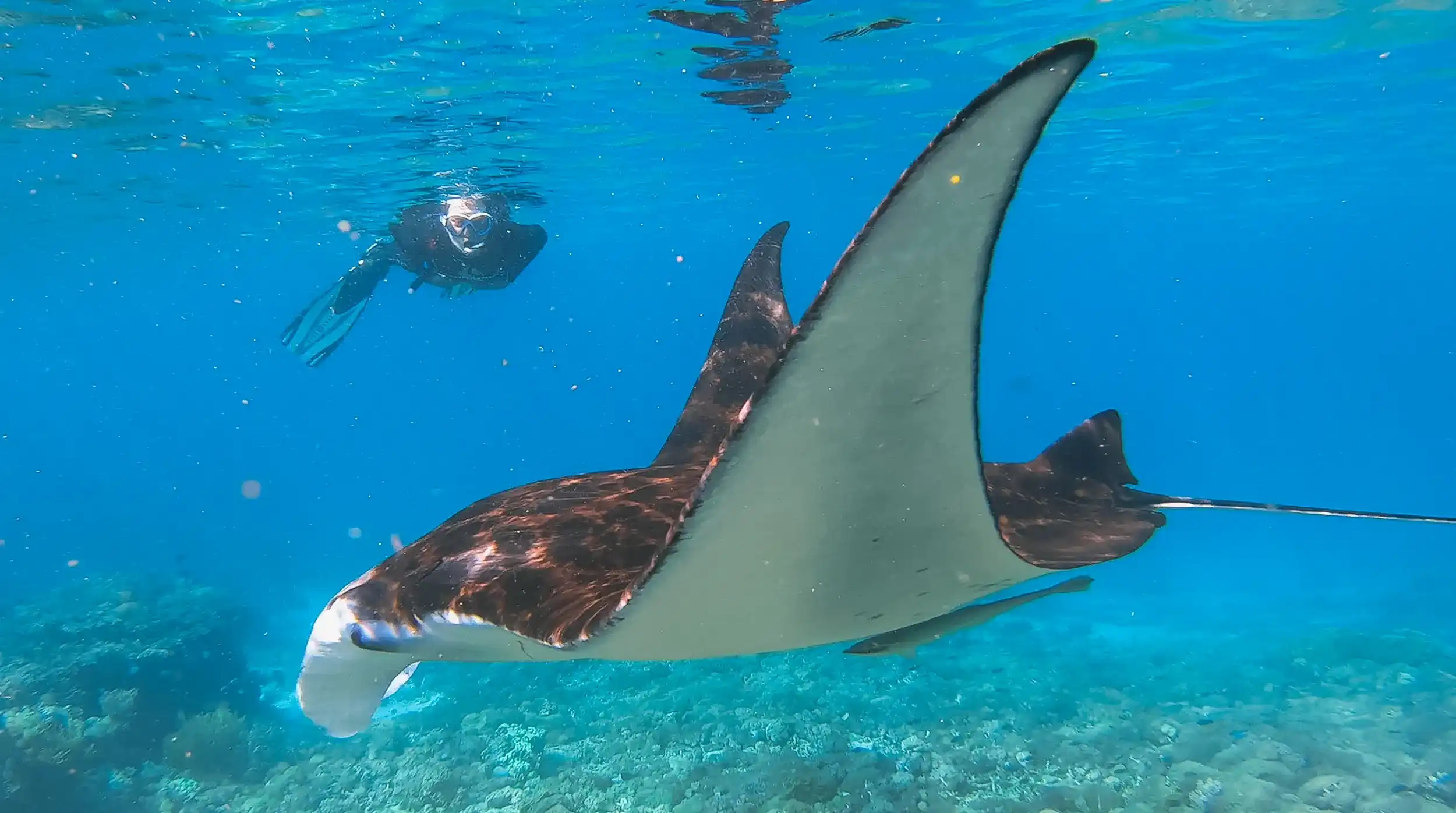

Labuan Bajo Luxury Sustainable Snorkeling And Diving 2027 means smaller groups (often 8–12 guests per yacht), higher marine conservation fees (typically IDR 500,000–1,500,000 per guest as of August 2026), and stricter codes of conduct around manta rays, sharks, and coral, while still providing full‑service cabins, chef‑prepared menus, and professional dive teams.
How will Labuan Bajo luxury trips feel different under stricter Komodo conservation rules in 2027?
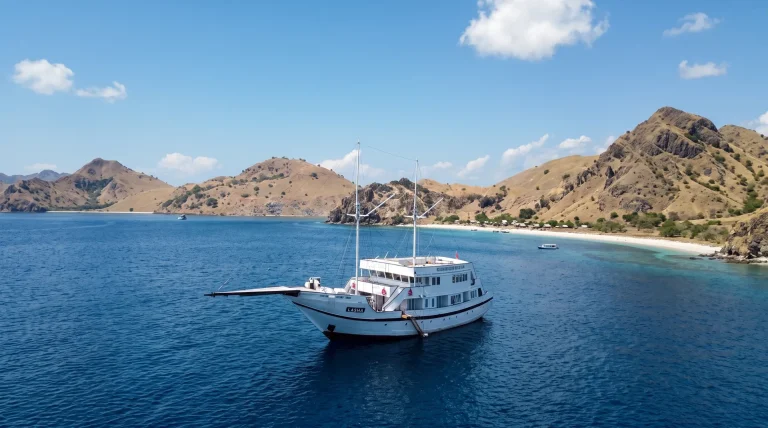
By 2027, guests can expect every Labuan Bajo luxury itinerary to be designed around carry‑capacity limits set for key Komodo National Park sites, with operators spacing arrivals at manta points and shallow reefs to avoid crowding. Group sizes on high‑end vessels are already trending down, often capped at 12 passengers across 5–7 cabins.
This shift is a direct response to ongoing Indonesian marine conservation policies and local park management plans that increasingly limit boat numbers at popular sites. Operators are adapting by adding sunrise or late‑afternoon slots at manta cleaning stations and rotating guests between snorkel, trekking, and beach‑clean activities instead of pressing everyone into the water at once.
Premium brands are also reconfiguring decks with more shade, freshwater showers, and quiet zones so guests can enjoy longer days at sea without overusing fragile beaches. Many are building 2027 itineraries to include educational briefings on responsible manta ray encounters, coral‑safe finning, and Labuan Bajo luxury shark snorkeling ethics, so guests understand why some close approaches and flash photography are no longer acceptable.
What will Labuan Bajo luxury snorkeling trip price ranges look like in 2027?
Prices are already reflecting higher fuel, staffing, and conservation costs, and this trend is forecast to continue into 2027. As of August 2026, a 3‑day Labuan Bajo luxury snorkeling trip price on a small‑capacity yacht typically falls in the range of IDR 15–30 million per person, depending on cabin type, season, and private charter versus shared departure.
Part of the increase comes from rising marine park fees and operator‑level conservation contributions. To keep budgets predictable, many 2027‑ready products are moving into bundled formats similar to Labuan Bajo Luxury All Inclusive Packages, which wrap accommodation, meals, guided snorkeling, basic equipment, and national park permits into one line item.
For guests paying in foreign currency, Labuan Bajo luxury currency risk management is becoming more important. Professional operators monitor Bank Indonesia references, such as the JISDOR rate that reached Rp 17,999 per USD on 6 July 2026 (BI), and may offer rate‑lock windows or quote in USD with clear IDR conversion notes. This helps European and other international travelers decide when to confirm deposits based on exchange‑rate conditions rather than last‑minute surprises.
How is safety for non‑swimmers and beginner divers being upgraded by 2027?
Safety standards are tightening, with operators recognising that more guests now want to enjoy coral gardens and manta encounters without strong water skills. Labuan Bajo luxury snorkeling safety for non swimmers is increasingly built around mandatory floatation aids, shallow‑site selection, and a higher guide‑to‑guest ratio, often 1:2 or 1:3 for those declaring low confidence in water.
For Labuan Bajo luxury diving safety for beginners, reputable vessels typically require proof of certification or arrange a confined‑water session before any open‑water dive. Onboard briefings now commonly include visual site maps, current estimates, and maximum depth limits set conservatively for each profile. Many 2027 itineraries incorporate “check dives” at gentler locations before progressing to more exposed pinnacles.
Weather plays a major role. Labuan Bajo luxury weather contingency plans for December–March (when conditions can be less predictable) often include backup bays, sheltered reefs, or switching some dives to snorkel sessions if visibility or currents deteriorate. The goal is to keep encounters relaxed while respecting comfort thresholds, especially for families and older travelers discovering Komodo’s marine life for the first time.
How transparent will conservation fees and sustainable practices be in 2027?
Luxury guests are increasingly asking for clarity about where their money goes. In response, serious operators now publish a simple Labuan Bajo luxury conservation fee breakdown alongside trip proposals. As of August 2026, this may typically show line items for Komodo National Park entry, ranger support, reef‑monitoring donations, and carbon or plastic‑offset programs.
Hardware choices are also changing. Labuan Bajo luxury sustainable materials usage on 2027‑ready vessels often includes refillable water systems, reusable steel or bamboo straws, high‑quality reef‑safe sunscreens in bulk dispensers, and cabin amenities packaged in refillable glass or aluminum instead of single‑use plastics. Some new builds and refits prioritize sustainably sourced woods and energy‑efficient lighting to reduce operational footprints.
On the food side, Labuan Bajo luxury sourcing sustainable seafood is a strong focus. Menus are increasingly shaped around locally abundant species and seasonal catch, limiting pressure on vulnerable fish populations. Guests can expect more clear labeling—such as which dishes rely on line‑caught fish from local communities—and more vegetarian or plant‑forward options that reduce overall marine extraction without sacrificing a high‑end dining experience.
How are manta, shark, whale, and dolphin encounters managed ethically in 2027?
Wildlife‑first guidelines are becoming the norm. A Labuan Bajo luxury manta ray snorkeling package in 2027 is likely to include mandatory pre‑water briefings about minimum distances, approach angles, and restrictions on chasing or touching animals. Time limits in the water at high‑use cleaning stations help prevent stress on mantas during peak tourism months such as July–September.
Labuan Bajo luxury shark snorkeling ethics are also under review by many operators. Practices like baiting or feeding to attract sharks are increasingly discouraged in favor of natural, passive encounters on reefs and submerged seamounts. Clear protocols—no flash photography at close range, no diving directly down on resting sharks, and strict no‑touch policies—are becoming standard inclusions in trip materials.
Many high‑end itineraries now weave in Labuan Bajo luxury whale and dolphin watching in transit corridors, particularly during calm early‑morning crossings. These activities are commonly governed by voluntary speed and distance guidelines, reducing underwater noise and collision risk. Guests are encouraged to watch from shaded decks with binoculars instead of crowding bows or ordering aggressive chase maneuvers that could disturb pods.
How will operators design experiences for European divers, families, and special events by 2027?
As flight connections from major hubs improve, Labuan Bajo luxury targeting European divers is expected to intensify. Trip designers are already synchronizing departures with long‑haul arrivals via Bali and Jakarta, building in recovery nights before liveaboard embarkation. Profiles tend to prioritize multi‑day dive plans with nitrox options, camera‑friendly rinse facilities, and briefings catered to diverse certification backgrounds.
Younger travelers and families are also a core audience. Labuan Bajo luxury youth conservation programs on 2027 itineraries may include onboard marine‑biology talks, guided plankton observations after dark, or supervised reef‑clean activities with strict safety controls. These experiences help younger guests link their luxury holiday to practical ocean‑care skills they can bring back home.
Seasonal events are another growth area. Labuan Bajo luxury Chinese New Year sailings often align with regional holidays between late January and February, pairing cultural menus and celebrations with flexible snorkeling schedules that account for holiday crowds. Corporate teams planning ocean‑focused offsites are increasingly booking through specialized Labuan Bajo Luxury Corporate Retreat Packages, which bundle meeting support with curated conservation activities for groups.
- Passport with at least 6 months’ validity and remaining visa pages for Indonesian entry and Komodo National Park permits.
- Confirmed travel insurance covering snorkeling or diving activities, including medical evacuation from remote islands.
- Daily schedule blocks of 60–90 minutes per water session, with surface intervals of at least 1.5–2 hours for divers.
- Pre‑trip medical and swim‑confidence questionnaire to tailor Labuan Bajo luxury snorkeling safety for non swimmers.
- Briefing documents outlining Labuan Bajo luxury conservation fee breakdown and codes of conduct at marine sites.
- Onboard emergency gear: oxygen kit, radio or satellite communication, and designated muster points for all guests.
- Clear weather contingency notes specifying backup bays and activities if sea states exceed comfort thresholds.
Frequently asked questions
how to find trusted labuan bajo luxury operators
Start by checking how clearly an operator explains safety procedures, conservation practices, and pricing on its website. Look for transparent park‑fee details, small group sizes, and certified dive professionals. Ask for sample itineraries, proof of insurance, and recent vessel photos. Independent reviews and referrals from Bali‑based travel advisors also help verify long‑term reliability.
is Labuan Bajo Luxury Sustainable Snorkeling And Diving 2027 worth it in Labuan Bajo?
For travelers already routing through Bali, adding a Labuan Bajo extension in 2027 is particularly attractive. Komodo’s manta, reef, and shark experiences complement Bali’s cultural and wellness focus. Despite higher conservation fees, most guests find the combination of small‑group comfort, clear water, and improved wildlife protections a strong value compared with crowded regional alternatives.
what is included in Labuan Bajo Luxury Sustainable Snorkeling And Diving 2027?
Most 2027‑ready trips bundle cabin accommodation, chef‑prepared meals, guided snorkeling or diving, basic equipment, and Komodo National Park permits. Many also include airport or hotel transfers in Labuan Bajo, drinking water, coffee, and tea. Premium packages may extend to photo guidance, marine‑biology talks, and youth conservation activities aligned with the itinerary’s environmental focus.
How do operators manage currency risk for international guests?
Serious operators benchmark IDR rates against references like JISDOR from Bank Indonesia, which recorded Rp 17,999 per USD on 6 July 2026. Quotes may be given in USD with an IDR equivalent, and payment deadlines or partial deposits are often used to reduce Labuan Bajo luxury currency risk management exposure for both sides.
Can snorkeling and diving trips be combined with longer‑term investments in Labuan Bajo?
Some guests explore property and tourism‑sector opportunities while visiting. Resources such as the Labuan Bajo Luxury Villa Investment Advisory and the broader Labuan Bajo Luxury Investment Outlook 2027 help travelers understand regulatory trends, environmental constraints, and how sustainable tourism growth may influence long‑term value.
To plan your own Labuan Bajo Luxury Sustainable Snorkeling And Diving 2027 experience, contact the Komodo Luxury desk via WhatsApp 628113823875 or email sales@komodoluxury.com for tailored options and current conservation‑aligned itineraries.
Last updated 1 August 2026