
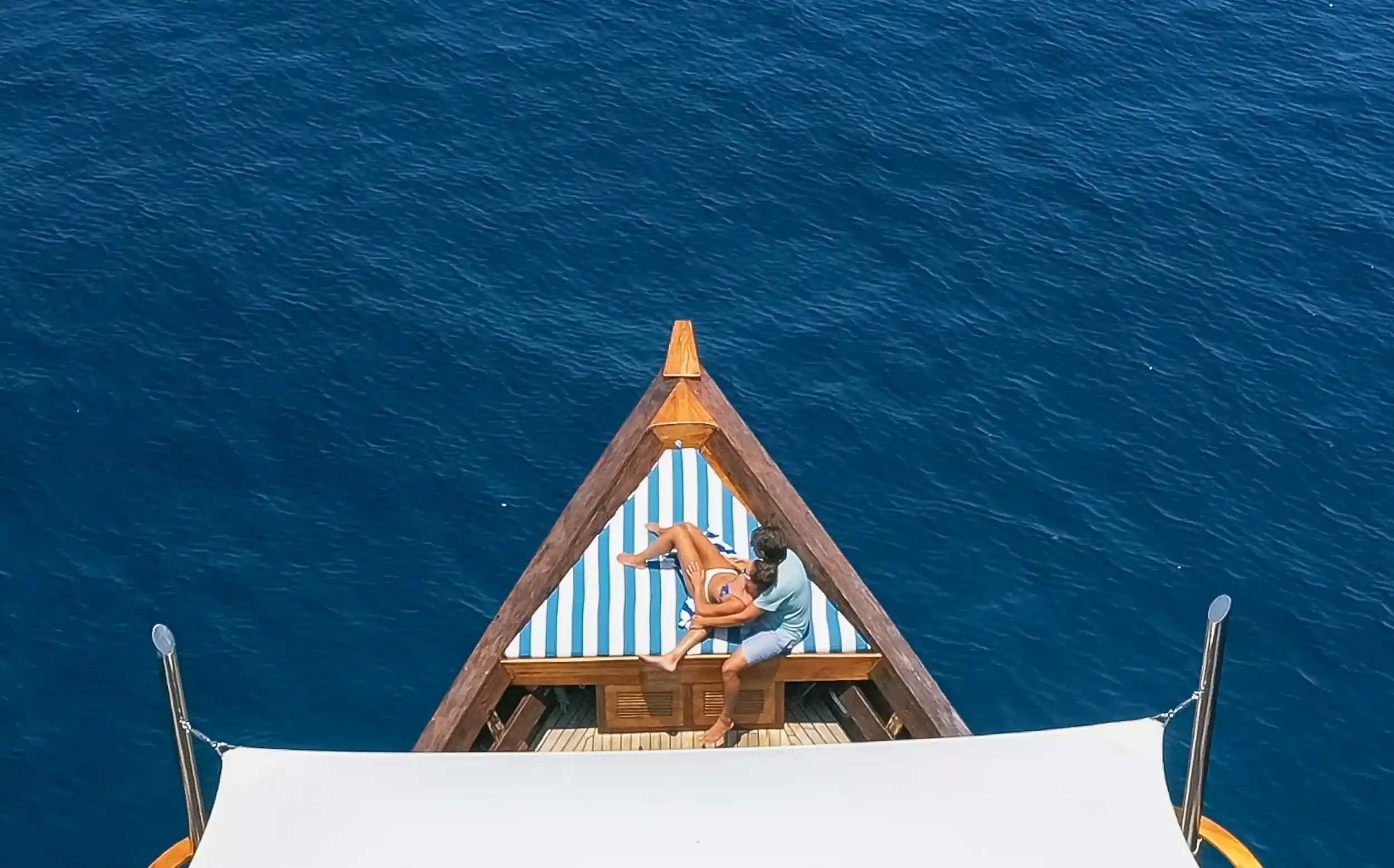
Komodo — A Photographer’s Underwater Paradise
Komodo National Park offers what serious underwater photographers seek above all else — diversity of subjects, dramatic conditions, and world-class encounters within a compact area. From wide-angle manta ray ballet at Manta Point to macro treasures like pygmy seahorses on Batu Bolong’s gorgonian fans, Komodo delivers the full spectrum of underwater photography disciplines in a single trip. The nutrient-rich currents that make the park biologically extraordinary also create the dramatic light, color, and marine density that transforms good photographs into extraordinary ones.
Best Sites for Wide-Angle Photography
Manta Point: Oceanic mantas with 4-5 meter wingspans circling cleaning stations. Best with fisheye or ultra-wide rectilinear (10-17mm). Position below mantas shooting upward with sun behind. Batu Bolong: Massive soft coral-covered pinnacle with schooling fish walls. Wide-angle captures the scale and density. Castle Rock / Crystal Rock: Grey reef sharks, trevally schools, and occasional manta fly-bys against blue water backgrounds. Tatawa Besar: Vibrant soft coral walls with snapshot aggregations and dramatic drop-offs.
Best Sites for Macro Photography
Cannibal Rock: Komodo’s macro capital — pygmy seahorses, Coleman shrimp on fire urchins, ornate ghost pipefish, and more nudibranchs per square meter than almost anywhere on Earth. Batu Bolong (shallow): Pygmy seahorses (Bargibanti) on gorgonian fans, leaf scorpionfish, and frogfish. Siaba Besar: Seahorses, blue-ringed octopus, and nudibranchs in calm conditions ideal for precise macro work. Wainilu: Mandarin fish mating dives at dusk — one of photography’s most prized subjects.
Camera Equipment Recommendations
Bring a versatile setup: wide-angle lens (fisheye or 10-17mm zoom) for mantas and reef panoramas, plus a dedicated macro setup (60-105mm) for Komodo’s incredible critter diversity. Dual strobe lighting is essential for the park’s deeper and current-affected sites. Ensure ample battery supply (minimum 3 per day) and memory cards (shoot RAW). A camera rinse tank is provided on all luxury liveaboards. A GoPro or action camera serves as a reliable backup and excellent for snorkeling encounters.
Photography-Focused Trips
Dedicated underwater photography trips in Komodo benefit enormously from luxury private charter. Small group sizes mean no fin kicks disturbing your subjects. Flexible scheduling allows return visits to sites in optimal conditions. Dedicated dive guides position you precisely for the best angles. Extended dive times let you wait for the perfect moment. Our luxury photography cruises include camera room facilities, rinse stations, and guides experienced in photographer management.
Frequently Asked Questions
What is the best underwater camera for Komodo?
For serious photographers: DSLR or mirrorless in underwater housing with wide-angle and macro lens options. For casual shooters: GoPro or Olympus TG-series compact cameras in housing. The key is versatility — Komodo demands both wide-angle (mantas, reef panoramas) and macro (pygmy seahorses, nudibranchs) capability.
What are the best sites for underwater photography in Komodo?
Wide-angle: Manta Point (mantas), Batu Bolong (reef panoramas), Castle Rock (sharks/pelagics). Macro: Cannibal Rock (critters), Siaba Besar (seahorses/nudis), Wainilu (mandarin fish). A 5-night luxury cruise covers all these sites across multiple dives.
Do I need to be an experienced diver for underwater photography in Komodo?
Advanced Open Water certification with excellent buoyancy control is essential for photography at most Komodo sites. Strong currents require one-handed diving ability while managing camera equipment. Begin at calmer sites (Siaba Besar, shallow Pink Beach) before progressing to current-swept pinnacles.
Explore more: Komodo diving guide | Luxury photo cruises | Batu Bolong dive site | Contact us
What Underwater Camera Settings Work Best in Komodo?
Professional underwater photographers in Komodo recommend using ISO 400-800 with shutter speeds between 1/125 and 1/250 depending on water clarity. The average visibility in Komodo’s diving sites ranges from 10-25 meters, with best conditions from May to September. Wide-angle lenses (14mm-24mm) are essential for capturing the diverse coral formations and larger marine species including manta rays and sharks. Many luxury divers invest USD 2,000-5,000 in specialized underwater camera equipment for their Komodo expeditions.
Which Dive Sites Offer the Best Photography Opportunities?
Batu Bolong, Manta Point, and Gili Lawa Darat are considered the premier underwater photography locations in Komodo National Park. Batu Bolong features pinnacle formations rising 40 meters with dramatic lighting conditions ideal for silhouette photography. Manta Point, located approximately 18 kilometers from Labuan Bajo, hosts seasonal manta rays (November to April) creating iconic photo opportunities. Crystal Rock and Tatawa Lestari offer thriving coral gardens at depths of 8-20 meters, perfect for macro photography. Luxury dive tours typically cost USD 95-150 per dive with experienced guides who know the best compositional angles.
How Can You Protect Your Underwater Gear in Tropical Waters?
Rigorous maintenance protocols are essential for protecting expensive camera equipment in Komodo’s warm, salt-laden environment. Rinse all gear with fresh water immediately after each dive and store in sealed dry bags with silica gel desiccants. Housing maintenance kits cost approximately IDR 400,000-600,000 (USD 25-35) and should be used before and after every ocean immersion. Professional underwater photography services at luxury resorts include equipment insurance covering replacement costs of USD 3,000-10,000 for high-end mirrorless systems with dome ports.
What Post-Processing Techniques Enhance Underwater Images?
Color correction is critical since red wavelengths penetrate only 5 meters underwater, requiring selective enhancement of warm tones during post-processing. Contrast adjustment, clarity enhancement, and saturation boost are standard techniques used by professional Komodo photographers. Many luxury tour operators offer photography workshops (USD 500-1,200 for 3-day courses) that teach Lightroom and Photoshop techniques specific to underwater imagery. White balance correction using specialized underwater presets can recover warm tones lost at depth, transforming blue-green underwater images into vibrant, natural-looking photographs.
What Camera Settings Work Best for Komodo Underwater Photography?
For the best underwater shots in Komodo, experienced photographers recommend shooting in RAW format for maximum post-processing flexibility. Set your white balance to manual (around 5,500K for shallow reef shots) and use a fast shutter speed of 1/200s or higher for manta ray encounters at Manta Point. For wide-angle reef scenes at Batu Bolong, aperture priority at f/8-f/11 delivers sharp corner-to-corner detail. Bring backup batteries and memory cards — Komodo’s incredible marine diversity means you’ll shoot thousands of frames in a single dive day.