Menu

Wildlife, islands, diving, and conservation — everything you need to know about Indonesia’s 1,733 km² marine wilderness.
Komodo National Park is a UNESCO World Heritage Site spanning 1,733 km² of marine and terrestrial wilderness in the Lesser Sunda Islands. Established in 1980 to protect the Komodo dragon — the world’s largest living lizard — the park is now one of the planet’s most biodiverse marine reserves, home to over 1,000 fish species, 260 reef-building coral species, dolphins, sea turtles, and the largest population of manta rays in the world.
The park covers three major islands — Komodo, Rinca, and Padar — plus 26 smaller islands and surrounding marine waters. Access is from Labuan Bajo on the western tip of Flores.
Komodo, Rinca, and Padar — each offers a different highlight of the park.
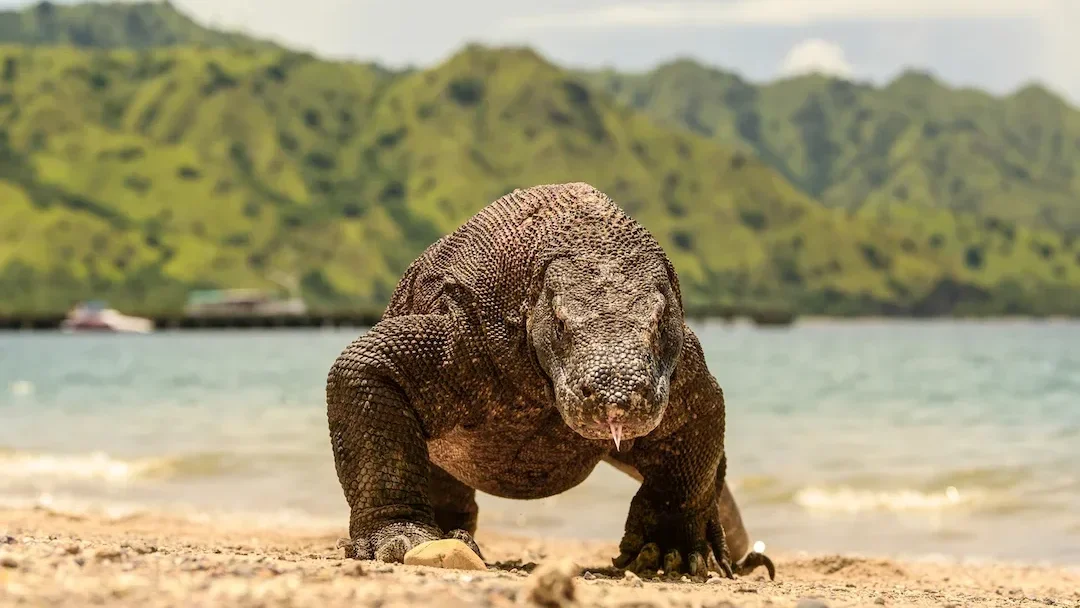 ~1,700 dragons
 The Namesake — 390 km²
The park’s largest island, home to ~1,700 dragons. Ranger-guided treks depart from Loh Liang through dry savanna and tropical forest. Northern beaches offer excellent snorkelling. 1–2 hour treks.
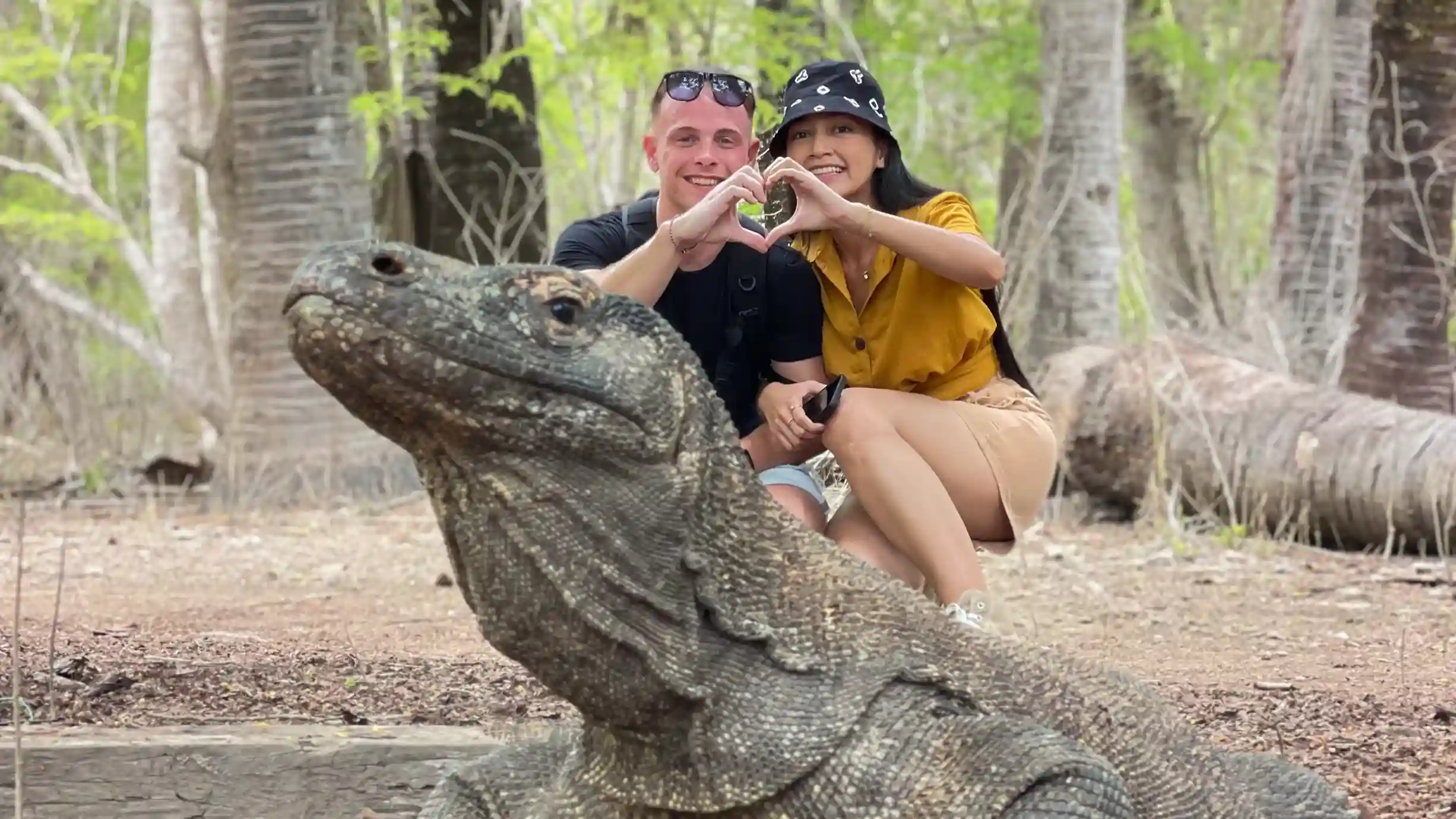 ~1,300 dragons
 Closer Access — ~2hr from Port
Many visitors’ preferred viewing location — closer encounters, more open terrain, fewer crowds. Loh Buaya ranger station starts treks of 30 min–2 hours.
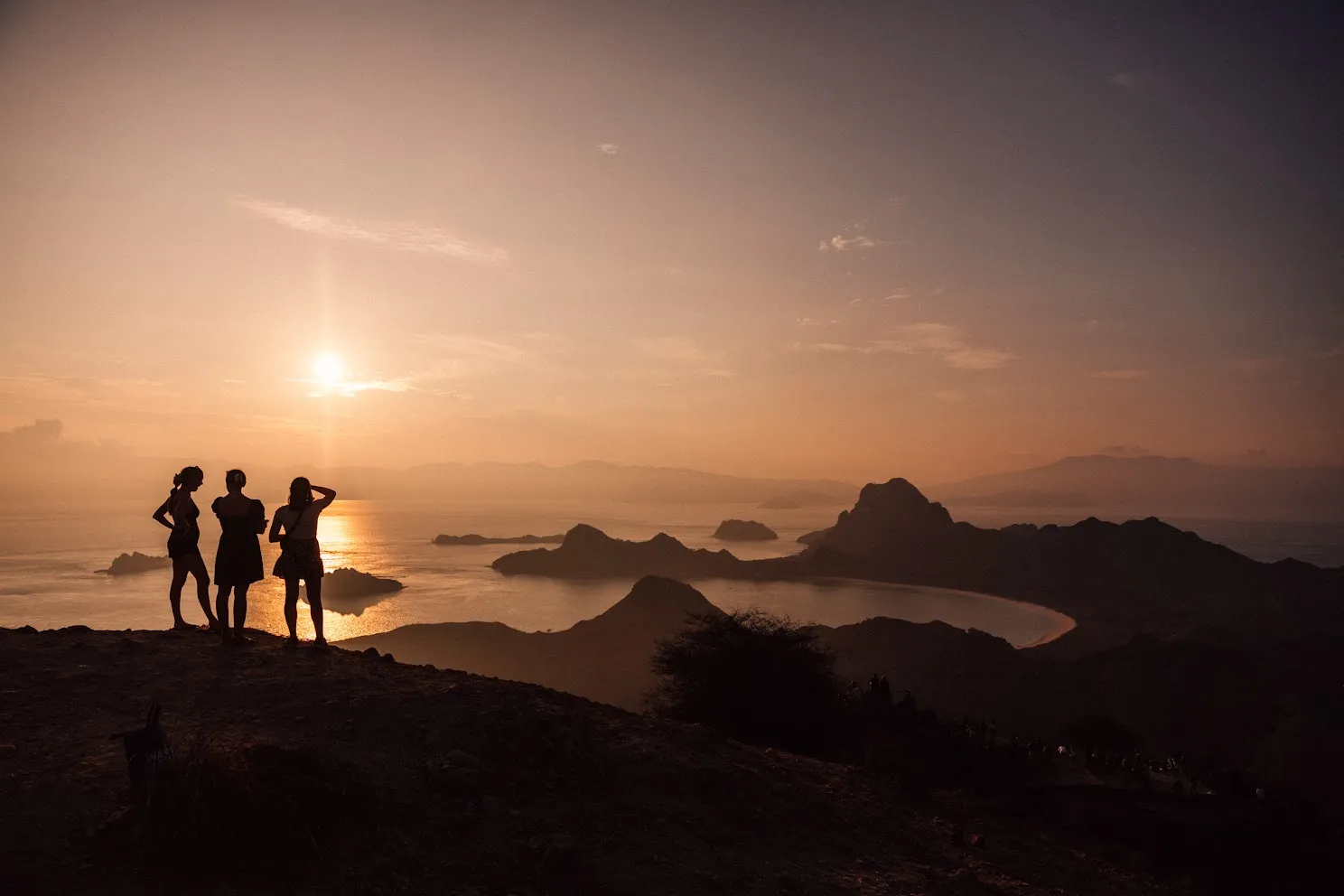 No Dragons
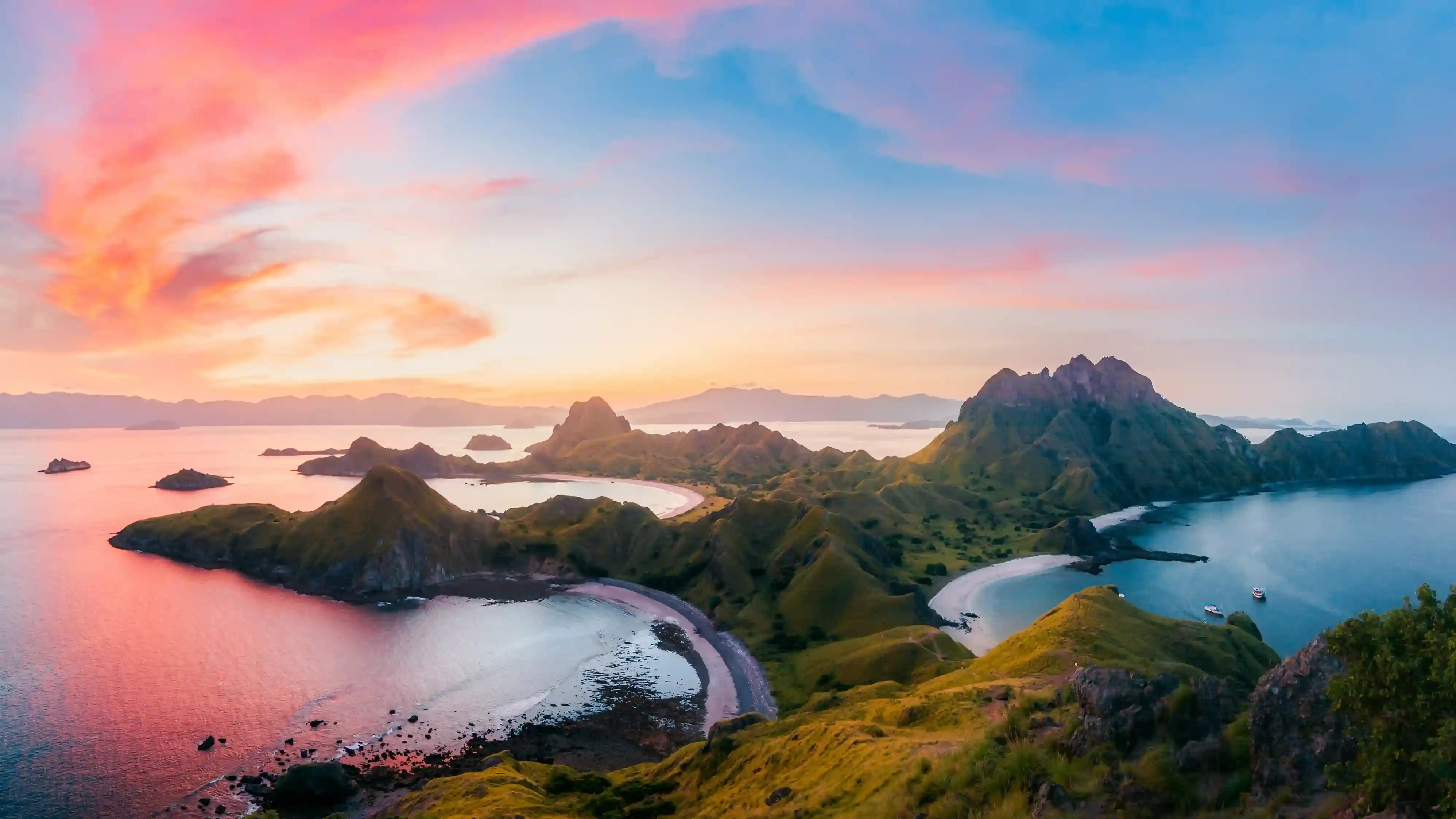
 The Iconic Viewpoint
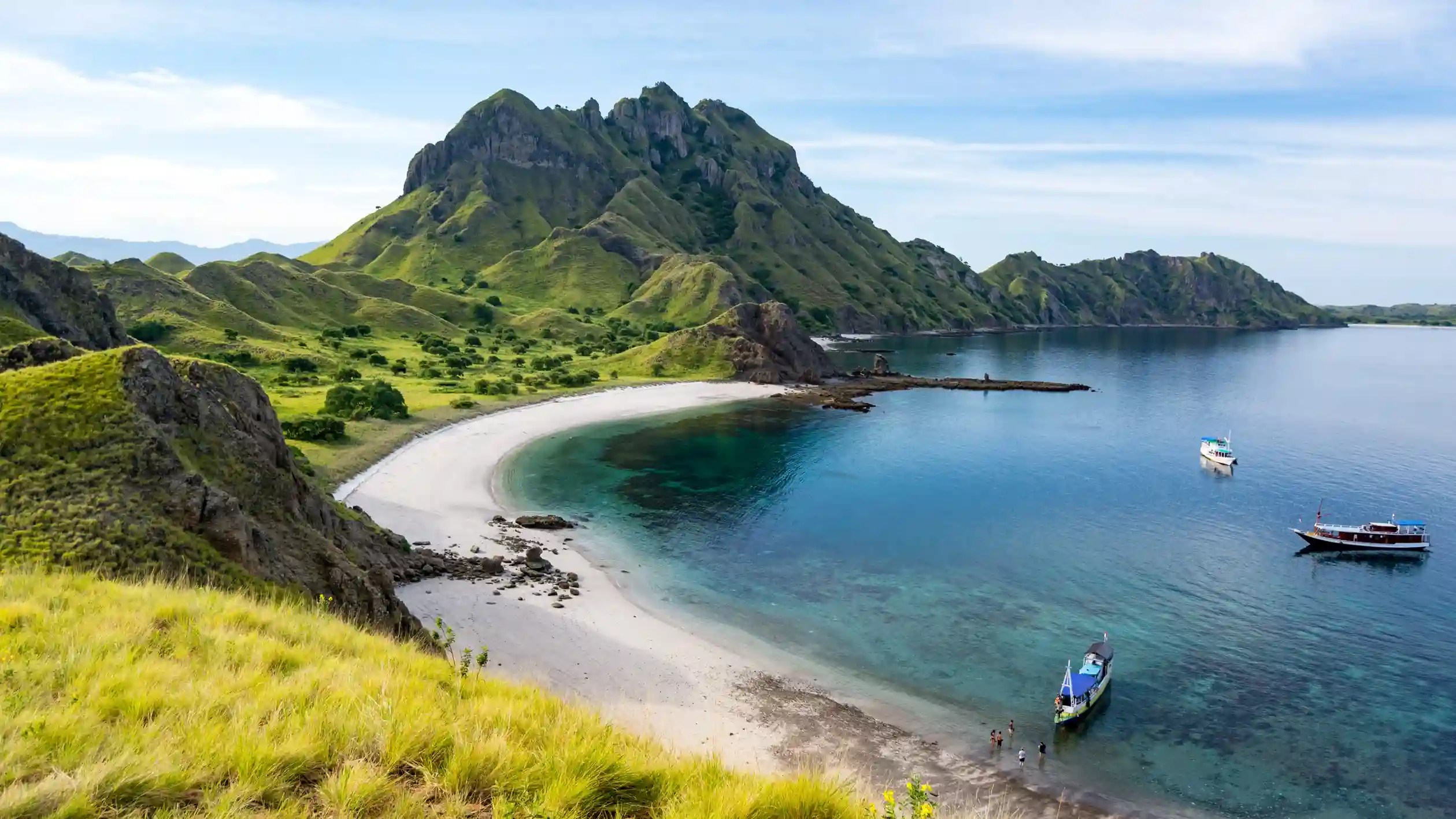
Eastern Indonesia’s most photographed viewpoint — 30-minute summit hike reveals three crescent bays of white, pink, and black sand. Best at sunrise.
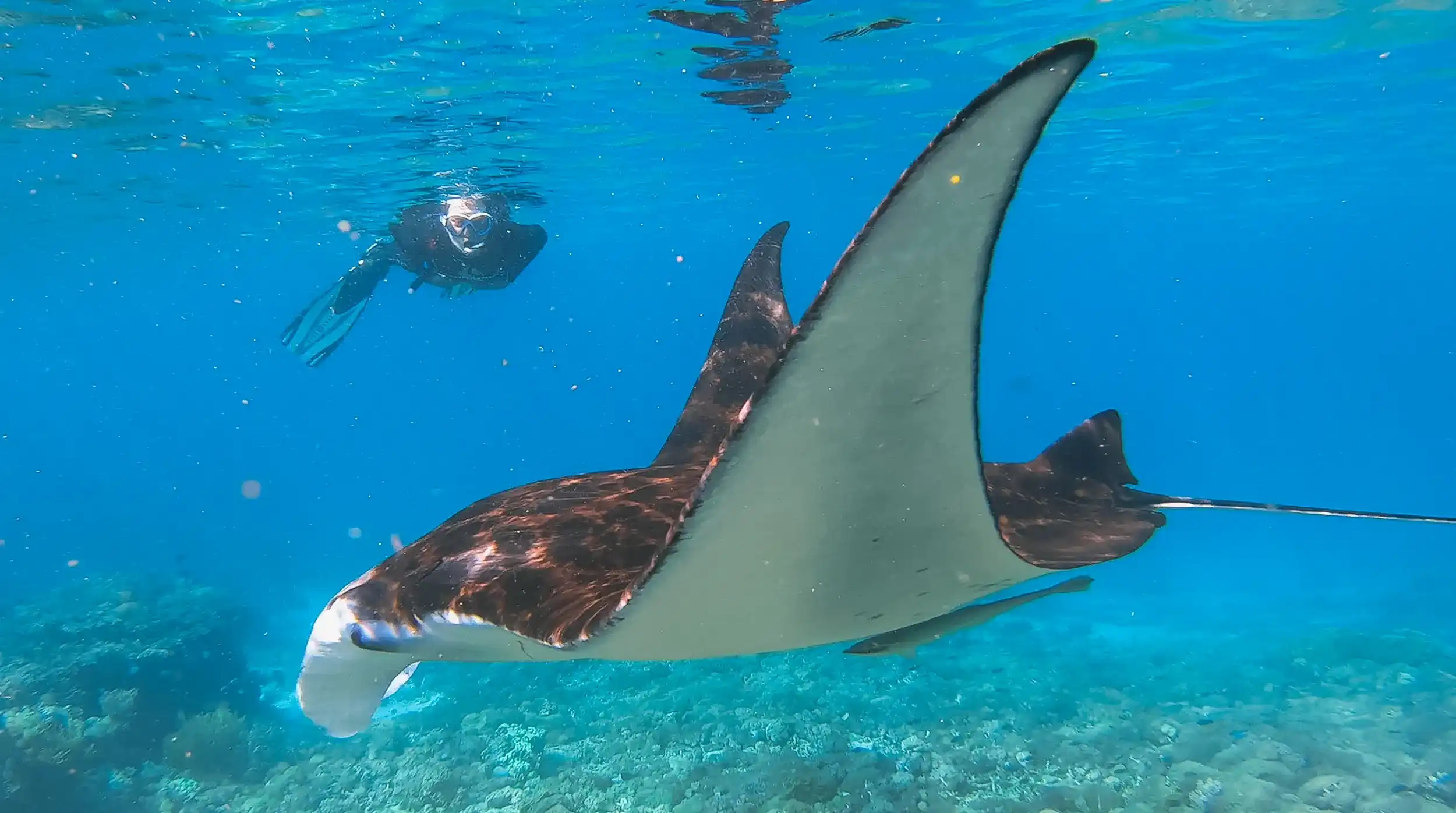
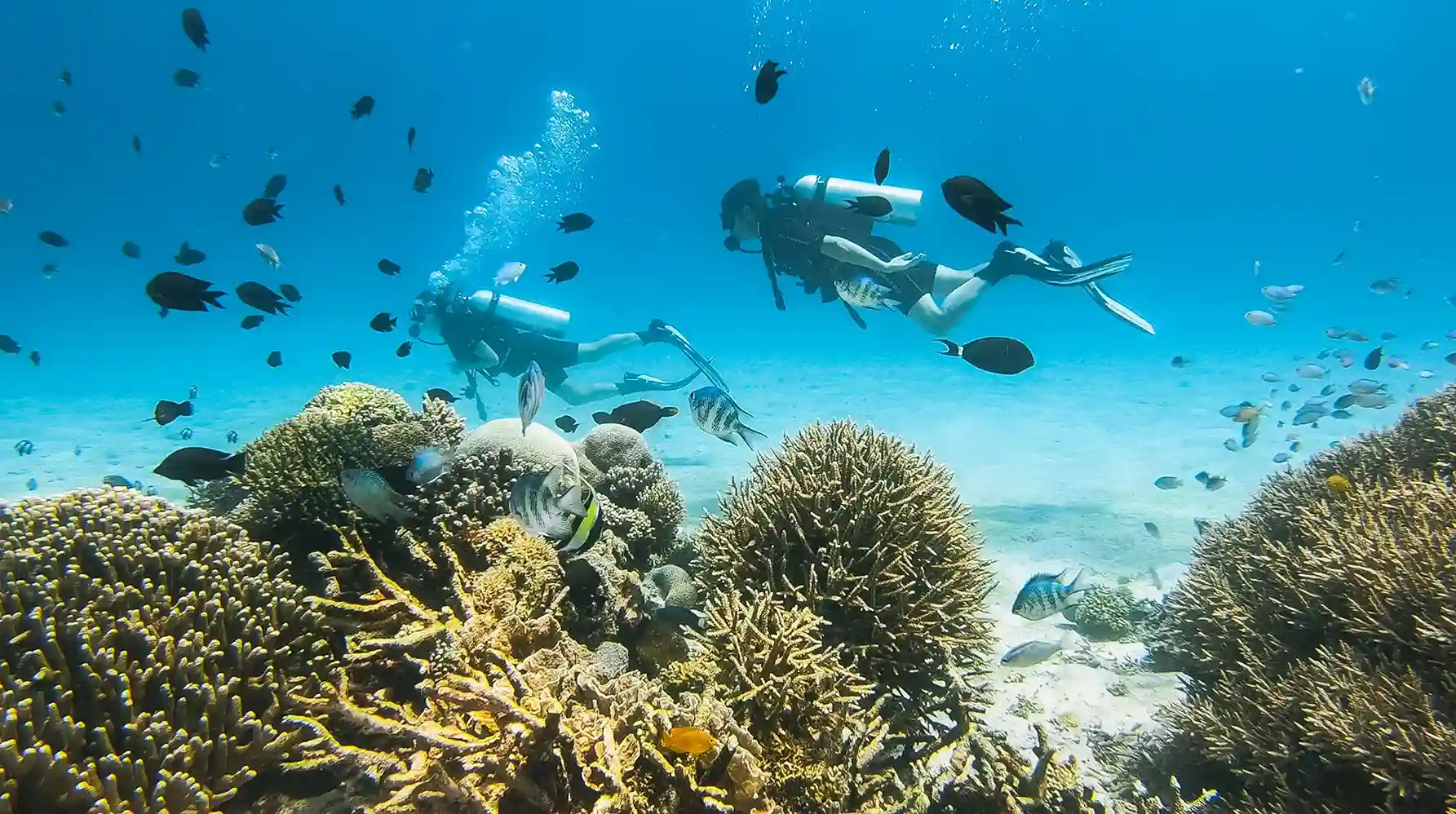
Pacific and Indian Ocean currents converge here, creating nutrient-rich waters that support staggering biodiversity. Komodo’s waters are consistently ranked among the world’s top diving destinations.
Non-divers welcome: Pink Beach offers pristine coral gardens in waist-deep water; Manta Point provides surface encounters with giant mantas at arm’s reach.
Set by the Indonesian government — revenue funds park conservation, ranger programmes, and community development.
| Day | IDR | USD (approx.) |
|---|---|---|
| Indonesia Citizen | IDR 300,000 | ~USD 25 |
| Foreigner | IDR 650,000 | ~USD 35 |
Additional permits apply for diving, drone photography, and commercial filming. Fees are typically included in tour package prices — always confirm with your operator.
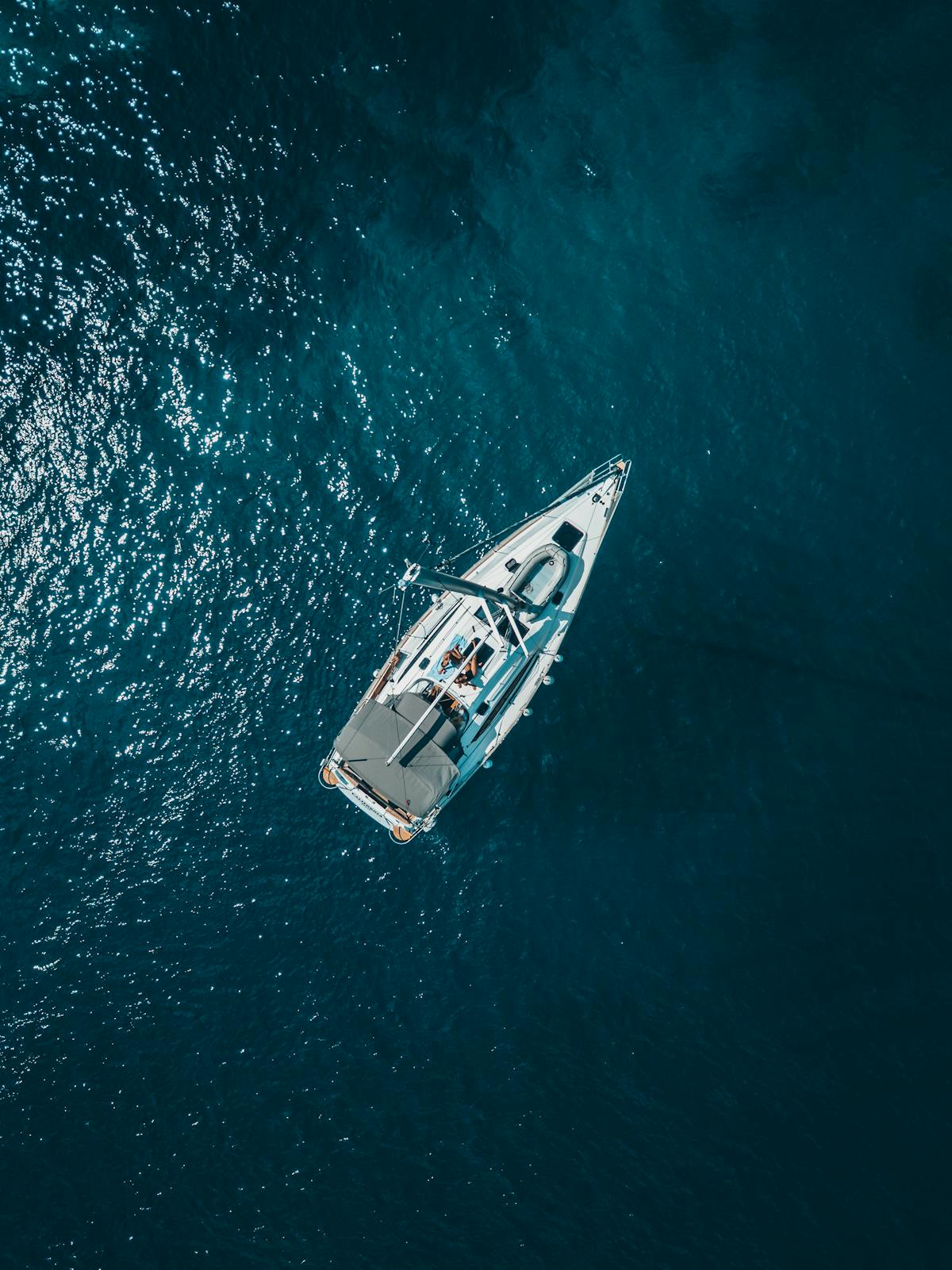
All visits depart from Labuan Bajo by boat — three main formats matched to your time and pace.
Cover essential highlights in a single day — Padar, Komodo or Rinca trek, Pink Beach snorkel, manta encounters. Best for time-limited travellers.
Thorough exploration of 29 islands, premier dive sites, and hidden beaches. Sleep aboard, dive 2–4 times daily, anchor at remote bays.
Full flexibility, personalised itinerary, private vessel and crew. Best for couples, families, and groups wanting bespoke pacing and exclusivity.
Komodo faces conservation challenges — reef damage from anchoring, plastic pollution, overfishing, and tourism pressure. The park’s balance between revenue and protection depends on every visitor making conscious choices.
Practical answers about visiting Komodo National Park.
International visitor entrance fees are IDR 650,000 (~USD 35) per person. Additional fees apply for diving permits and drone photography. Most tour operators include these fees in package prices.
Independent visits are technically possible but impractical — you need a boat to reach the islands and a ranger guide is mandatory for Komodo dragon treks. Tour operators handle transportation, park entry, guides, and safety equipment. We strongly recommend organised tours, especially luxury private options.
Approximately 6,000 Komodo dragons inhabit Komodo National Park — roughly 1,700 on Komodo Island and 1,300 on Rinca Island. Smaller populations exist on Gili Motang and Nusa Kode islands. Komodo dragons are found nowhere else in the wild on Earth.
Absolutely — it is one of the most unique natural destinations on Earth. The combination of prehistoric Komodo dragons, world-class diving and snorkelling, pink beaches, volcanic landscapes, and manta encounters creates an experience no other single destination offers.
A full day covers the essential highlights. 2–3 days allow deeper exploration including multiple dive sites and remote islands. The optimal experience is a 4–5 night liveaboard cruise covering the entire park at a relaxed pace with diving, snorkelling, trekking, and island exploration.
Ready to visit? Three popular ways to explore the park.
Tell our concierge your dates and what you’d love to see — dragons, mantas, Padar sunrise — we’ll recommend the right package within 24 hours.
Last updated: May 2026