
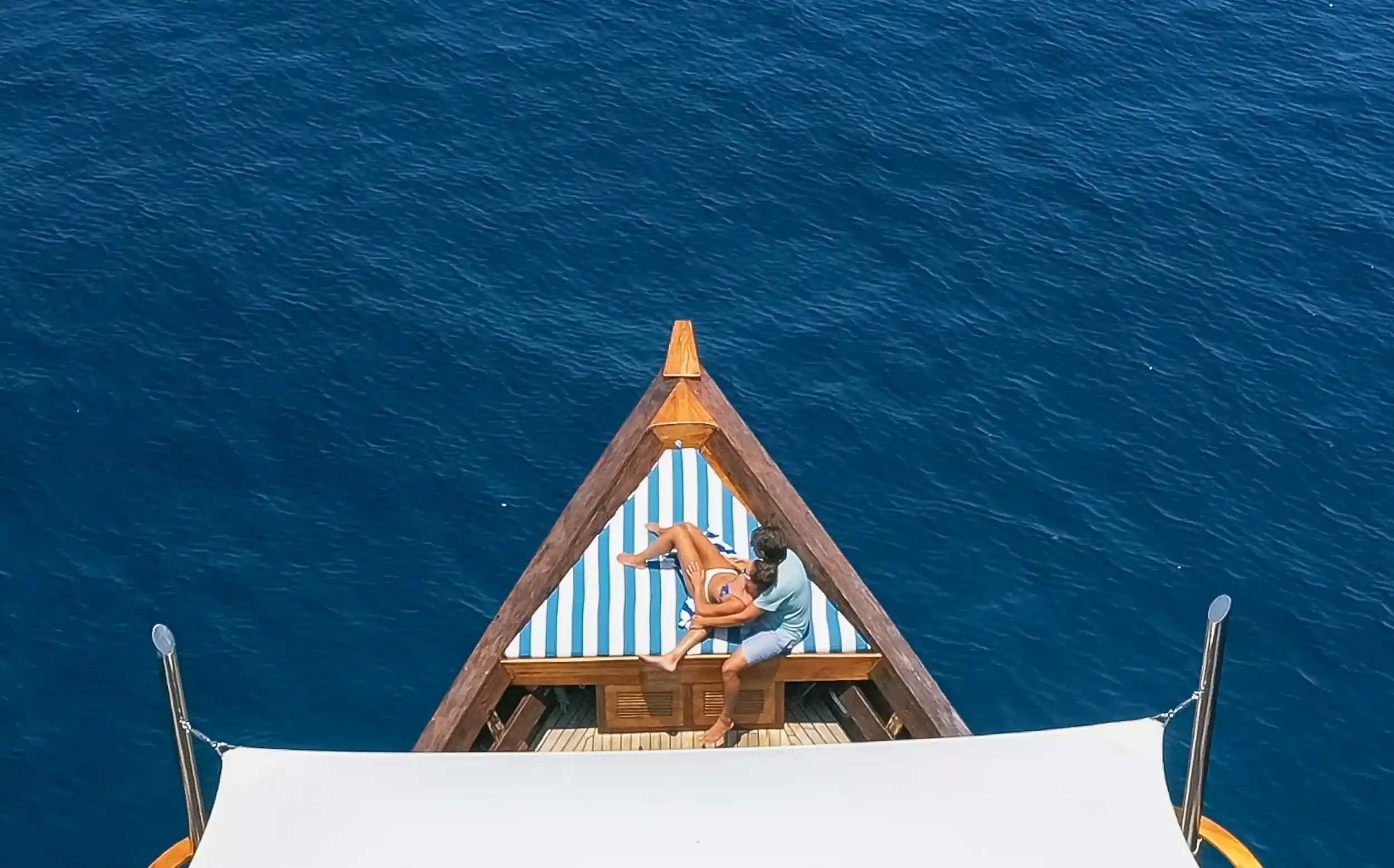
Sustainable Luxury Travel in Indonesia
Sustainable luxury travel in Indonesia represents a powerful convergence — the world’s largest archipelago nation offering natural and cultural richness, experienced through a lens of responsibility that ensures these treasures endure for generations. From the coral reefs of Komodo to the rice terraces of Bali, Indonesia’s luxury travel sector is increasingly demonstrating that exceptional experiences and environmental stewardship are not competing priorities but complementary ones.
This guide explores how premium travelers can engage with Indonesia’s most extraordinary destinations — particularly Labuan Bajo and Komodo National Park — while actively contributing to conservation and community wellbeing.
Why Luxury Travel Can Be the Most Sustainable
A counterintuitive truth: luxury travel, done right, generates better conservation outcomes than mass tourism. The economics are compelling — a luxury charter carrying 8 guests generates comparable revenue to a day-trip boat carrying 30, with a fraction of the environmental footprint. Premium operators invest in sustainability because their guests demand it, because it differentiates their product, and because protecting the environments they depend on is existential for their business.
The luxury segment’s advantages include smaller groups reducing wildlife disturbance and infrastructure pressure, higher per-visitor revenue funding conservation contributions, premium equipment and practices minimizing environmental damage, educated guests more likely to follow responsible behavior guidelines, and operators with financial capacity to invest in sustainability innovations.
Sustainable Luxury in Komodo National Park
Komodo National Park is a living laboratory for sustainable luxury tourism. The conservation fee model generates millions of dollars annually for habitat and species protection. Luxury Phinisi charter operators increasingly adopt responsible practices — premium charter vessels use mooring buoys instead of anchors, provide reef-safe sunscreen, manage waste comprehensively, and employ local communities in skilled positions.
The most progressive operators contribute beyond fees — participating in reef monitoring, sponsoring ranger positions, conducting beach cleanups, and supporting community education. When selecting a Komodo charter operator, these commitments distinguish genuine sustainability from marketing greenwash.
Eco-Luxury Accommodation
Indonesia’s eco-luxury accommodation sector has matured significantly. Properties in Labuan Bajo and across the archipelago demonstrate that sustainable design enhances rather than compromises the guest experience. Solar power, rainwater harvesting, natural ventilation design, locally sourced materials, organic gardens, and waste reduction programs are increasingly standard at premium properties.
For Labuan Bajo resort guests, several properties achieve genuine eco-luxury balance — delivering five-star comfort while maintaining demonstrable environmental commitments. The best properties integrate sustainability into the guest experience rather than hiding it, educating visitors about local ecosystems and conservation challenges.
Community Impact of Luxury Tourism
Sustainable luxury tourism’s most tangible impact is community economic empowerment. In the Labuan Bajo region, luxury tourism provides skilled employment (boat captains, chefs, dive masters, guides) at wages significantly above local averages. This economic elevation reduces pressure on natural resources — when fishing communities earn more from tourism, destructive fishing practices decline.
The multiplier effect extends throughout the supply chain — local food suppliers, artisan craftspeople, transport operators, and service providers all benefit from luxury tourism spending. The most responsible operators prioritize local procurement, ensuring maximum economic benefit remains within the community.
Responsible Marine Tourism Practices
Marine environments are particularly sensitive to tourism impact. Sustainable practices essential for Indonesia’s waters include exclusive use of mooring buoys (never anchoring on reefs), reef-safe sunscreen for all guests and crew, no touching or standing on coral during snorkeling and diving, maintaining distance from marine megafauna (manta rays, turtles, dolphins), comprehensive waste management with zero ocean discharge, and supporting marine protected area enforcement.
The Future of Sustainable Luxury in Indonesia
Indonesia’s luxury travel sector is moving toward greater integration of sustainability standards, certification programs, and measurable impact reporting. Government initiatives including the Sustainable Tourism Observatory, combined with international frameworks and growing consumer demand, are accelerating the transition from sustainability as marketing to sustainability as operational standard.
For travelers seeking the intersection of extraordinary experience and meaningful impact, a luxury Komodo charter aboard a traditional Phinisi represents Indonesia’s sustainable luxury at its finest — cultural heritage preserved through economic vitality, marine ecosystems protected through premium tourism revenue, and communities empowered through skilled employment and fair economic exchange.
Frequently Asked Questions
What is sustainable luxury travel?
Sustainable luxury travel combines premium travel experiences with environmental and social responsibility. It means enjoying exclusive accommodations, personalized service, and extraordinary experiences while minimizing environmental impact, supporting local communities, and contributing to conservation of visited destinations.
Is luxury travel compatible with sustainability?
Yes. Luxury travel can be more sustainable than mass tourism — smaller groups mean lower per-visit environmental impact, higher spending supports local economies and conservation more effectively, and premium operators invest in responsible practices. The key is choosing operators committed to genuine sustainability.
How is Komodo tourism becoming more sustainable?
Through the conservation fee system, visitor capacity management, mooring buoy installations preventing reef damage, anti-poaching patrols funded by tourism revenue, community employment programs, waste management requirements for operators, and growing adoption of responsible practices by luxury charter fleets.
What makes a luxury tour operator sustainable?
Look for operators that employ local communities, minimize waste and single-use plastics, use reef-safe products, contribute to conservation programs, follow low-impact anchoring practices, respect wildlife viewing distances, provide environmental education, and demonstrate transparent sustainability commitments.
Can I have a luxury experience and be eco-friendly?
Absolutely. Many of the most exclusive travel experiences are inherently lower-impact — private charters carrying 6-10 guests generate less environmental pressure per person than large day-trip boats. Premium operators invest in sustainability because their discerning guests expect it.
What is eco-luxury in Indonesia?
Eco-luxury in Indonesia combines world-class hospitality with Indonesia’s extraordinary natural heritage. Examples include luxury Phinisi yacht charters through Komodo National Park, eco-resort stays using sustainable design, and curated experiences that connect guests with conservation and cultural preservation.