
History of Komodo National Park — From Discovery to UNESCO Heritage
The history of Komodo National Park is a fascinating journey from scientific curiosity to global conservation landmark. What began with a Dutch pilot’s report of giant lizards on a remote Indonesian island has evolved into one of the world’s most important protected areas, safeguarding prehistoric creatures and breathtaking marine ecosystems for future generations.
Early Discovery: The Dragon’s First Encounter with Science
In 1910, Lieutenant Jacques Karel Henri van Steyn van Hensbroek heard rumors from pearl fishermen about giant lizards on a remote island in the Lesser Sundas. He organized an expedition to Komodo Island and reportedly killed a specimen measuring over 2 meters. The skin and photographs were sent to Peter Ouwens, director of the Zoological Museum in Bogor, Java.
In 1912, Ouwens published the first scientific description of the species, naming it Varanus komodoensis. The discovery made global headlines — a living dinosaur-era reptile thriving on remote Indonesian islands. Expeditions from around the world soon followed.
The 1926 Douglas Burden Expedition
American naturalist W. Douglas Burden led one of the most famous early expeditions to Komodo in 1926, capturing 12 live specimens and bringing them to the Bronx Zoo. His vivid accounts of the dragons inspired the 1933 film King Kong — the mysterious island inhabited by giant reptiles drew directly from Burden’s descriptions of Komodo. This expedition brought global attention to both the species and the need for protection.
Dutch Colonial Protection
Recognizing the species’ vulnerability, the Dutch colonial government declared Komodo Island a protected nature reserve in 1938. Hunting of Komodo dragons was banned, and access to the island was restricted. This early protection was crucial — without it, the species might have been hunted to extinction by collectors and trophy hunters seeking this exotic giant lizard.
Indonesian National Park Designation (1980)
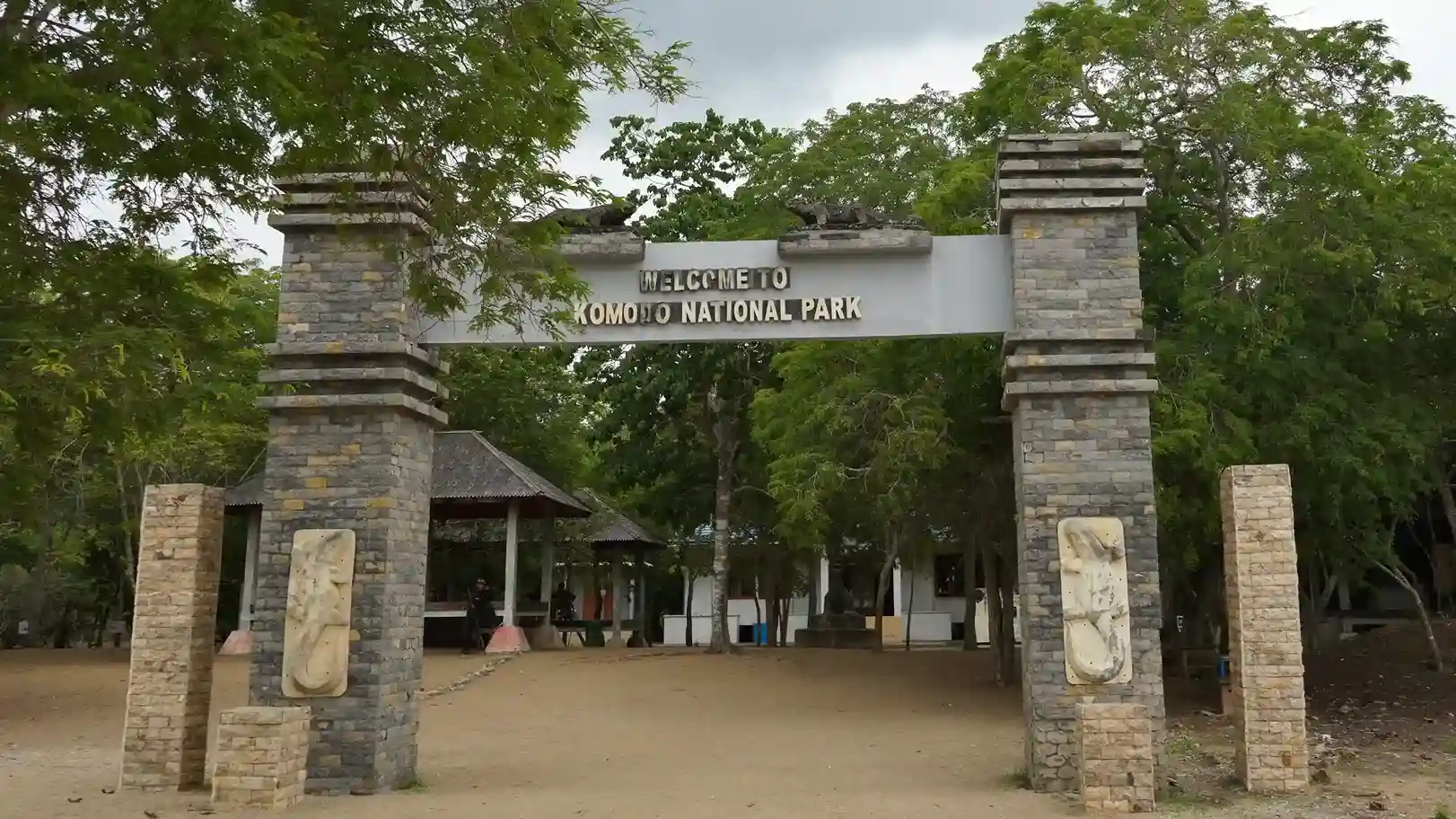
Following Indonesian independence, conservation efforts continued under national authority. In 1980, the Indonesian government officially established Komodo National Park, initially encompassing Komodo, Rinca, and Padar Islands along with surrounding marine waters. The park’s primary purpose was Komodo dragon conservation, but its boundaries recognized the importance of the entire ecosystem.
The park was later expanded to include Gili Lawa, numerous smaller islands, and extensive marine areas, bringing the total protected area to 1,733 square kilometers.
UNESCO World Heritage Status (1991)
In 1991, UNESCO inscribed Komodo National Park as a World Heritage Site, recognizing its outstanding universal value for both the Komodo dragon and its remarkably rich marine biodiversity. The inscription noted the park’s unique position between the Indian and Pacific Oceans, creating an area of exceptional scientific and conservation importance.
New Seven Wonders of Nature (2012)
In 2012, Komodo National Park was voted one of the New Seven Wonders of Nature through a global poll organized by the New7Wonders Foundation. This recognition alongside destinations like the Amazon Rainforest and Ha Long Bay brought unprecedented international attention and tourism interest to the park.
Modern Conservation Era
Recent decades have seen significant investment in park management, including increased ranger patrols, marine enforcement against illegal fishing, community development programs, and comprehensive conservation strategies. The implementation of visitor management systems and entrance fee structures has improved funding for protection efforts while managing tourism impact.
Today, the park welcomes over 200,000 visitors annually while maintaining its commitment to protecting approximately 3,000-3,500 wild Komodo dragons and one of the world’s richest marine ecosystems. The balance between tourism revenue and conservation remains the park’s central challenge and defining mission.
Frequently Asked Questions
When was Komodo National Park established?
Komodo National Park was officially established by the Indonesian government in 1980. It was designated a UNESCO World Heritage Site in 1991 and voted one of the New Seven Wonders of Nature in 2012.
Who discovered Komodo dragons?
The first scientific description was published by Peter Ouwens in 1912, based on specimens collected by Lieutenant van Steyn van Hensbroek. Local fishermen and Flores islanders had known about the giant lizards for centuries before Western scientific documentation.
Why was Komodo National Park created?
The park was primarily established to protect the Komodo dragon, the world’s largest living lizard found naturally only in this region. Conservation was later expanded to include the park’s exceptional marine biodiversity and terrestrial ecosystems.
Is Komodo National Park a UNESCO World Heritage Site?
Yes, Komodo National Park was inscribed as a UNESCO World Heritage Site in 1991 for its outstanding universal value, including the unique Komodo dragon species and the area’s exceptional marine and terrestrial biodiversity.
Did Komodo dragons inspire King Kong?
Yes, the 1926 expedition by W. Douglas Burden to Komodo Island is widely cited as a direct inspiration for the 1933 film King Kong. Burden’s vivid descriptions of a remote island inhabited by giant reptiles influenced filmmaker Merian C. Cooper.